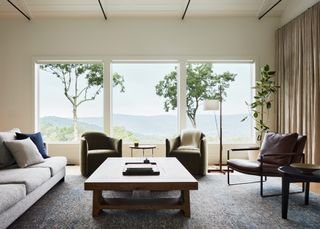
Imagine walking into a room that instantly calms your mind and clears your thoughts. A space where every item has a purpose, and clutter simply doesn’t exist.
That’s the power of minimalistic room design. If you want your room to feel more open, peaceful, and inviting, this style could be exactly what you need. You’ll discover simple yet effective ways to transform your space into a sleek, stylish haven.
Ready to create a room that works for you, not against you? Keep reading—you’re about to unlock the secret to effortless elegance.

Credit: www.designcafe.com
Essentials Of Minimalistic Design
Minimalistic room design focuses on simplicity and function. It creates spaces that feel calm and clear.
This style removes clutter and uses only what is necessary. It helps make rooms look bigger and brighter.
Core Principles
The core of minimalism is “less is more.” Every item must have a purpose. Clean lines and open spaces are key.
- Keep only essential furniture
- Use simple shapes and designs
- Maintain open and uncluttered areas
- Focus on quality, not quantity
- Let natural light fill the room
Key Elements
Minimalistic rooms use few but strong elements. Furniture is sleek and functional. Decorations are subtle and few.
| Element | Description |
| Furniture | Simple, functional, and uncluttered |
| Decor | Minimal and meaningful pieces |
| Lighting | Natural or soft artificial light |
| Storage | Hidden or built-in to reduce clutter |
| Flooring | Plain surfaces like wood or concrete |
Color Palettes
Colors in minimalistic design are calm and neutral. They create a peaceful and balanced atmosphere.
Common color choices include:
- White for brightness and space
- Gray for softness and balance
- Beige or tan for warmth
- Black as an accent for contrast
Choosing The Right Furniture
Minimalistic room design means choosing furniture that fits well and looks simple. The right pieces make the space feel calm and open.
Focus on pieces that serve a purpose and match the style. Avoid clutter and pick furniture that helps keep the room tidy.
Functional Pieces
Pick furniture that has more than one use. This keeps the room neat and saves space. Think about what you really need.
- A sofa bed for guests and seating
- Tables with storage inside
- Chairs that fold away easily
- Shelves that hold books and decor
Material Selection
Choose materials that look clean and last long. Natural woods and metals work well in minimalistic rooms. They add warmth without too much detail.
| Material | Benefits |
| Wood | Durable, warm look |
| Metal | Strong, modern feel |
| Glass | Light, open space |
| Fabric | Soft texture, comfort |
Space-saving Ideas
Use clever furniture to make the most of small rooms. Think about how pieces can fit into tight spots without crowding.
- Use wall-mounted shelves to free floor space
- Choose nesting tables for flexible use
- Pick beds with drawers underneath
- Use stools that double as side tables
Maximizing Natural Light
Natural light makes rooms feel bigger and warmer. It can reduce the need for artificial lighting during the day.
Designing a room to use natural light well helps save energy and creates a calm, fresh space.
Window Treatments
Choose window coverings that let in the most light. Thin curtains or blinds that open fully work best.
- Use sheer curtains to soften sunlight without blocking it.
- Install blinds that tilt to control light direction.
- Keep windows clean to let in maximum light.
- Choose light-colored fabrics that reflect light.
Light Reflection Techniques
Use surfaces that bounce light around the room. This spreads natural light to dark corners.
| Surface | Effect |
| White walls | Reflect most light, brighten room |
| Mirrors | Double light by reflecting it back |
| Glossy floors | Send light upwards into space |
| Metal decor | Add small bright spots |
Credit: www.youtube.com
Decluttering Strategies
Keeping a room minimalistic means less mess and more space. Decluttering helps create a calm and tidy environment.
Simple steps can make your room look clean and organized every day. Focus on smart storage and good habits.
Storage Solutions
Good storage options keep items out of sight and easy to find. Use containers and shelves to save space.
- Use boxes to group similar items
- Install wall shelves to free floor space
- Choose furniture with hidden compartments
- Label storage bins for quick access
Daily Habits
Small daily actions stop clutter from building up. Make tidying a simple part of your routine.
| Habit | Benefit |
| Put things back after use | Keeps room neat |
| Spend 5 minutes tidying daily | Prevents mess from growing |
| Limit new items coming in | Controls clutter |
| Donate or discard unused items | Frees up space |
Incorporating Texture And Accents
Minimalistic room design focuses on simplicity and functionality. Adding texture and accents can create visual interest without clutter.
Through thoughtful choices, a room can feel warm and inviting. Let’s explore how textiles and art can enhance your space.
Textile Choices
Textiles add softness and warmth to a room. They can transform a plain space into a cozy haven.
- Cotton and linen for a light, airy feel
- Wool and cashmere for warmth and luxury
- Velvet and silk for a touch of elegance
Minimal Art And Decor
Art and decor bring personality to a minimalistic space. Choose pieces that reflect your style and add color.
| Art Type | Style |
| Abstract | Modern and bold |
| Landscape | Calm and serene |
| Geometric | Clean and structured |

Credit: www.architecturaldigest.com
Creating A Calming Atmosphere
A minimalistic room design can help you feel calm and relaxed. Simple spaces with few distractions allow your mind to rest. Let’s explore how to create a peaceful environment using minimalism.
Focus on elements like color, scent, and sound to enhance tranquility. These aspects can transform any room into a serene retreat.
Color Psychology
Colors have a big impact on our mood. Soft colors like pale blue and light green can create a sense of peace. These shades help in lowering stress and promoting calmness.
Avoid bright and bold colors in a minimalistic room. These colors can be too stimulating and may disrupt the calming atmosphere.
- White: Clean and fresh
- Light blue: Calming and peaceful
- Soft green: Refreshing and natural
Scent And Sound
Scent and sound play a key role in creating a soothing environment. Use natural scents like lavender or chamomile to promote relaxation. These scents are known for their calming effects.
Soft music or nature sounds can also enhance tranquility. These sounds help in masking unwanted noise and improve focus.
- Lavender: Calming and soothing
- Chamomile: Relaxes and eases stress
- Soft music: Promotes relaxation
- Nature sounds: Refreshing and peaceful
Maintaining Minimalism Over Time
Keeping a minimalistic room clean and organized takes ongoing effort. It means making simple habits part of your daily life. This helps your space stay calm and clutter-free.
Two key ways to maintain minimalism are cleaning routines and regular reviews. These keep your room neat and your belongings in check.
Cleaning Routines
Daily cleaning helps keep your minimalistic room tidy. Small tasks prevent clutter from building up. A clean space feels peaceful and fresh.
- Make your bed every morning
- Put items back in their place after use
- Wipe surfaces weekly to avoid dust
- Do a quick floor sweep or vacuum regularly
- Limit items on tables and counters
Periodic Reviews
Review your belongings every few months. This keeps your room from becoming crowded with unused items. It also helps you decide what to keep or donate.
| Task | Frequency | Purpose |
| Sort clothes | Every 3 months | Remove items not worn |
| Check storage areas | Every 6 months | Clear out unused boxes |
| Assess furniture | Every year | Keep only functional pieces |
Frequently Asked Questions
What Is Minimalistic Room Design?
Minimalistic room design focuses on simplicity and functionality. It uses fewer items, clean lines, and neutral colors. The goal is to create a calm, clutter-free space that feels open and relaxing.
How To Start A Minimalistic Room Design?
Begin by decluttering your space. Keep only essential and meaningful items. Use simple furniture with clean designs and stick to a neutral color palette for walls and decor.
What Colors Suit Minimalistic Room Design?
Neutral colors like white, beige, gray, and soft pastels work best. These colors create a calm and spacious feel. Avoid bright or overly bold colors to maintain simplicity.
Can Minimalistic Design Work In Small Rooms?
Yes, minimalistic design is ideal for small rooms. It maximizes space by reducing clutter and using multifunctional furniture. This approach makes small areas feel larger and more open.
Conclusion
A minimalistic room design brings calm and order to your space. Clean lines and simple colors create a peaceful feeling. You can focus on what matters most. Less clutter means less stress every day. Choose only items that add value or joy.
This style suits any room or lifestyle. Try small changes first and see the difference. Minimalism helps your home feel bright and open. Enjoy the beauty of simplicity in your own space.
