Looking to refresh your space without a full makeover? Modern floating shelves might be the perfect solution.
They add style and function without taking up floor space. But where should you put them to get the best look and feel? This guide will inspire you with smart, easy-to-follow ideas for floating shelf placement. Whether you want to showcase your favorite items or create extra storage, you’ll find tips that make your room feel more open and inviting.
Keep reading to discover how the right shelf placement can transform your space and bring your style to life.
Choosing The Right Wall
Selecting the right wall is key for modern floating shelves. The wall should highlight the shelf and items on it.
Think about space, light, and what the shelf will hold before you place it.
Living Room Focal Points
In the living room, choose a wall that draws attention. This could be above the sofa or near the TV.
Floating shelves here can show decorations, books, or plants to make the room feel cozy.
- Wall behind the couch
- Space near the entertainment center
- Empty walls with good lighting
Bedroom Accent Walls
Use floating shelves on bedroom accent walls to display photos or small items. Choose a wall that stands out.
Above the bed or near the dresser are great places. Make sure the shelves do not crowd the space.
- Wall behind the headboard
- Wall near the window
- Small walls next to the closet
Kitchen Backsplashes
Floating shelves on kitchen backsplash walls help keep items handy. Pick a wall close to your cooking area.
They are good for spices, mugs, or small dishes. Make sure the wall surface is easy to clean.
- Wall above the countertop
- Space near the stove or sink
- Areas with tile or washable paint
Bathroom Storage Solutions
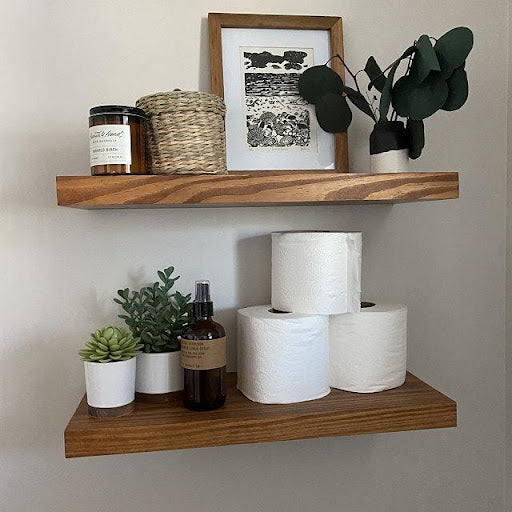
Choose walls that stay dry for bathroom floating shelves. Walls above the toilet or near the sink work well.
Use shelves to hold toiletries or towels. Avoid walls that get wet from showers.
- Wall above the toilet
- Wall beside the sink
- Dry walls away from the shower
Credit: shelfexpression.net
Shelf Styles And Materials
Floating shelves add style and function to any room. They come in many shapes and materials.
Choosing the right style and material helps match your room’s decor and use.
Minimalist Designs
Minimalist shelves focus on clean lines and simple shapes. They often use light colors and smooth finishes.
This style fits well in modern rooms with little clutter.
Rustic Wood Finishes
Rustic shelves use natural wood with visible grain and knots. They add warmth and a cozy feel.
- Reclaimed wood
- Distressed finishes
- Rough edges
- Natural stains
Metal And Glass Options
Metal and glass shelves bring a sleek, industrial look. They are strong and easy to clean.
| Material | Benefit |
| Steel | Durable and modern |
| Aluminum | Lightweight and rust-resistant |
| Glass | Opens up small spaces |
Mixed Material Combinations
Combining materials creates unique shelves. Wood with metal brackets is a popular choice.
Popular Mixed Material Combos:
- Wood shelves with black metal supports
- Glass shelves with chrome brackets
- Reclaimed wood paired with steel frames
Creative Shelf Arrangements
Modern floating shelves add style and function to any room. They help show off your favorite items and keep spaces neat.
Creative shelf arrangements let you use these shelves in new and fun ways. Try different layouts to make your walls stand out.
Asymmetrical Layouts
Asymmetrical layouts mix shelves of different sizes and shapes. They create a dynamic and interesting look on your wall.
This style breaks the usual balance and lets your shelves feel more natural and playful. It works well in living rooms and offices.
Layered And Staggered Shelves
Layered shelves overlap or sit close at different heights. Staggered shelves are placed unevenly to add depth.
These designs make your wall feel lively and give you more space for decor. They look great with plants and books.
Geometric Patterns
Geometric patterns use shapes like squares, triangles, or hexagons. They form eye-catching designs on your wall.
This style fits modern homes and adds artful structure. You can mix shapes or keep them uniform for different effects.
- Square shelves in a grid for neat lines
- Triangles arranged like arrows or diamonds
- Hexagons connected to create honeycomb patterns
Gallery Wall Integration
Combine floating shelves with framed art or photos for a gallery wall. This adds layers and interest to your display.
Use shelves to hold small plants, sculptures, or books among your pictures. It creates a warm and personal space.

Credit: www.create-enjoy.com
Functional Uses
Modern floating shelves offer more than style. They add useful storage and display space.
These shelves fit in many rooms and serve different functions to keep your space organized.
Display For Art And Decor
Use floating shelves to showcase paintings, photos, and sculptures. The open design highlights your pieces well.
Place shelves at eye level for better viewing. You can mix different art styles for a unique look.
Books And Collectibles
Floating shelves keep books and collectibles off the floor and easy to reach.
- Organize books by size or color
- Mix small collectibles with books for interest
- Use shelf dividers to keep items upright
- Keep heavier books on lower shelves for safety
Plants And Greenery
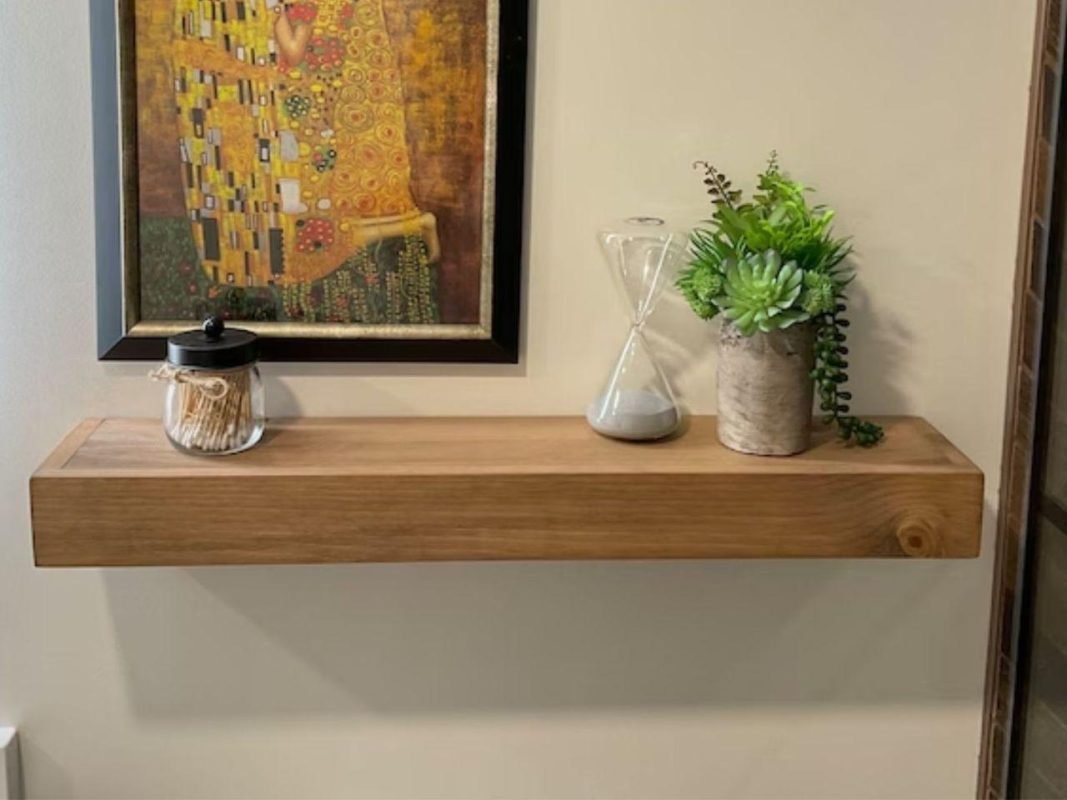
Shelves work great for small potted plants and succulents. They add life without taking floor space.


Everyday Essentials Storage
Floating shelves help keep daily items organized and easy to find in kitchens, bathrooms, or entryways.
| Room | Common Items | Benefits |
| Kitchen | Spices, jars, mugs | Quick access while cooking |
| Bathroom | Toiletries, towels | Extra storage without clutter |
| Entryway | Keys, mail, sunglasses | Keep essentials in one spot |
Lighting Enhancements
Lighting can change how floating shelves look in any room. It helps highlight objects and adds warmth. The right lighting makes shelves stand out and feel part of the space.
Choose lighting that fits your style and room use. Small changes in light placement create big effects on your shelves and walls.
Led Strip Lights
LED strip lights are thin and easy to hide under shelves. They offer soft, even light that can highlight items without glare. You can change colors or dim them to match moods.
- Install along the bottom edge of the shelf
- Choose warm white for cozy rooms
- Use color-changing strips for fun effects
- Power with a small, hidden adapter
- Control with a remote or smart device
Spotlights And Downlights
Spotlights and downlights focus light on specific shelf areas. They create shadows and depth, making objects pop. Use them to highlight art or decorative pieces.
| Type | Best Use | Light Direction |
| Spotlight | Highlight small items | Angled beam |
| Downlight | General shelf lighting | Straight down |
| Adjustable | Change focus easily | Swivel or tilt |
Natural Light Considerations
Natural light helps shelves look bright and fresh. Place shelves where sunlight can reach but avoid strong glare. Light changes through the day add interest.
Tips for using natural light with floating shelves:
- Place shelves near windows but out of direct sun to prevent fading
- Use sheer curtains to soften harsh light
- Arrange items to catch light at different angles
- Combine natural light with artificial lighting for balance
Color And Finish Choices
Floating shelves can transform your space. The right color and finish make a big impact.
Explore different styles to find what fits your home best. Here are some ideas to get you started.
Bold And Bright Shelves
Bright shelves add a pop of color to any room. They are perfect for making a statement.
- Red shelves bring energy and excitement.
- Yellow shelves make a space feel sunny and warm.
- Blue shelves create a calming effect.
Neutral And Earthy Tones
Neutral shelves offer a classic look. Earthy tones blend well with most decor.
| Color | Feeling |
| Beige | Calm and cozy |
| Gray | Modern and sleek |
| Brown | Warm and inviting |
Contrasting Wall And Shelf Colors
Contrasting colors make shelves stand out. They draw the eye and add depth.
Consider these combinations:
- White walls with black shelves
- Blue walls with orange shelves
- Green walls with pink shelves
Tips For Installation
Installing floating shelves can enhance your space and provide functional storage. Proper installation ensures safety and durability.
Follow these tips to securely install your floating shelves and make the most of your wall space.
Finding Studs And Anchors
Studs provide strong support for heavy shelves. Use a stud finder to locate them behind your walls.
When studs are not available, choose suitable wall anchors to support the weight.
Leveling Techniques
Leveling your shelves ensures they are straight and items do not slide off. Use a spirit level to check alignment.
- Mark the wall where you want to install the shelf.
- Hold the shelf in place and check with the level.
- Adjust the shelf until it is perfectly level.
Weight Capacity Planning
Consider the weight of items you plan to place on the shelves. This helps in choosing the right materials and anchors.
| Shelf Material | Weight Capacity |
| Wood | 50 lbs |
| Metal | 70 lbs |
| Glass | 30 lbs |

Credit: www.designcafe.com
Frequently Asked Questions
What Is The Best Height For Modern Floating Shelves?
The ideal height for floating shelves is typically 5 to 6 feet from the floor. This placement ensures easy reach and visibility. Adjust height based on shelf use and room layout for optimal balance and aesthetic appeal.
How To Arrange Floating Shelves For Small Spaces?
In small spaces, arrange floating shelves vertically or in staggered patterns. This maximizes wall space without overcrowding. Use shelves to display essentials and decor, enhancing room functionality and style without clutter.
Can Floating Shelves Support Heavy Items Safely?
Yes, floating shelves can support heavy items if properly installed. Use strong wall anchors and stud mounting for stability. Always check shelf weight limits to ensure safety and prevent damage.
What Materials Are Ideal For Modern Floating Shelves?
Wood, metal, and MDF are popular materials for floating shelves. Wood offers warmth, metal adds industrial style, and MDF provides smooth finishes. Choose materials based on room décor and shelf purpose.
Conclusion
Floating shelves add style and function to any room. Place them at eye level for easy access. Use them to display books, plants, or small decor items. Mix different sizes and shapes for a unique look. Keep spacing even to avoid clutter.
Choose simple designs to match modern homes. These shelves make rooms feel open and neat. Try these ideas to refresh your space today. Small changes can create big impact. Enjoy your stylish, organized living area.