Are you looking to transform your space with style and personality? Modern wall art arrangements can do just that—turn blank walls into captivating focal points that reflect your taste.
Whether you want to create a cozy nook or make a bold statement, the right art setup can change how you feel in your own home. Keep reading to discover simple yet powerful ideas that will inspire you to arrange your wall art like a pro and make your space truly yours.
Types Of Modern Wall Art
Modern wall art adds style and personality to any room. It includes many types, each with its own look and feel.
Choosing the right type of art can make your space unique and lively. Here are some popular kinds of modern wall art.
Abstract Pieces
Abstract art uses shapes, colors, and lines to create designs. It does not show real objects or scenes.
These pieces let you feel emotions and ideas in new ways. They fit well in modern and minimal rooms.
Geometric Designs
Geometric art focuses on shapes like circles, squares, and triangles. The patterns are often clean and simple.
This art style adds order and balance. It works great in offices and living rooms with modern decor.
- Symmetrical shapes create harmony
- Bold lines add strength
- Repeating patterns bring rhythm
Mixed Media Art
Mixed media art uses different materials like paint, paper, and fabric. It creates textured and layered pieces.
This type of art is very creative and unique. It adds depth and interest to your walls.
Photography Prints
Photography prints show real moments or scenes. They can be black and white or colorful.
These prints bring a personal touch to your space. They work well in any room style.
Choosing The Right Art For Your Space
Modern wall art can change the look of any room. Picking the right pieces helps your space feel complete and welcoming.
Think about your room’s style and size before choosing art. This makes sure your walls look balanced and nice.
Matching Colors And Themes
Choose art that fits the colors in your room. This helps the space feel calm and connected.
Pick art that matches the room’s style or theme. For example, use abstract pieces for modern rooms.
- Use colors that match your furniture or walls
- Choose art with themes that fit the room’s purpose
- Mix similar tones for a smooth look
Considering Room Size
Big rooms need larger or many art pieces to fill the space. Small rooms look best with smaller or fewer pieces.
Don’t put tiny art on large walls. It can feel lost or out of place.
- Large walls need big or grouped art
- Small rooms do well with simple, small art
- Leave space around art to avoid clutter
Balancing Scale And Proportion
Art size should match furniture and wall space. This creates a balanced and pleasing look.
Make sure art is not too big or too small compared to nearby items.
- Use large art above big furniture pieces
- Small art works well near shelves or lamps
- Keep space between art and furniture even
Creative Wall Art Arrangements
Creative wall art arrangements add style and personality to any room. They make blank walls interesting and lively.
Choosing the right arrangement helps show off your art in the best way. It also creates a mood for the space.
Gallery Wall Layouts
Gallery walls group many art pieces together on one wall. They make a bold statement and show your taste.
You can plan layouts by arranging art on the floor first. Try shapes like grids, rows, or freeform designs.
- Grid layout: neat rows and columns
- Linear layout: art in a horizontal or vertical line
- Salon style: random but balanced grouping
Symmetrical Vs. Asymmetrical
Symmetrical arrangements have equal weight on both sides. They look balanced and calm.
Asymmetrical designs use different sizes and shapes for a dynamic feel. They add energy and interest.
- Symmetrical: good for formal rooms
- Asymmetrical: fits casual and modern spaces
- Both styles require visual balance
Layering And Overlapping Art
Layering means placing some art pieces in front of others. It adds depth and texture to the wall.
Overlapping creates a casual, collected look. Make sure the main pieces stay visible and clear.
- Use shelves or ledges for layers
- Mix large and small pieces
- Keep enough space so art doesn’t feel crowded
Combining Frames And Canvases
Mixing framed art and canvases adds variety to your wall. It makes the display more interesting.
Use different frame styles and colors that complement each other. Canvas edges can add softness to the look.
- Match frames by color or material
- Balance heavy frames with simple canvases
- Play with sizes to keep harmony

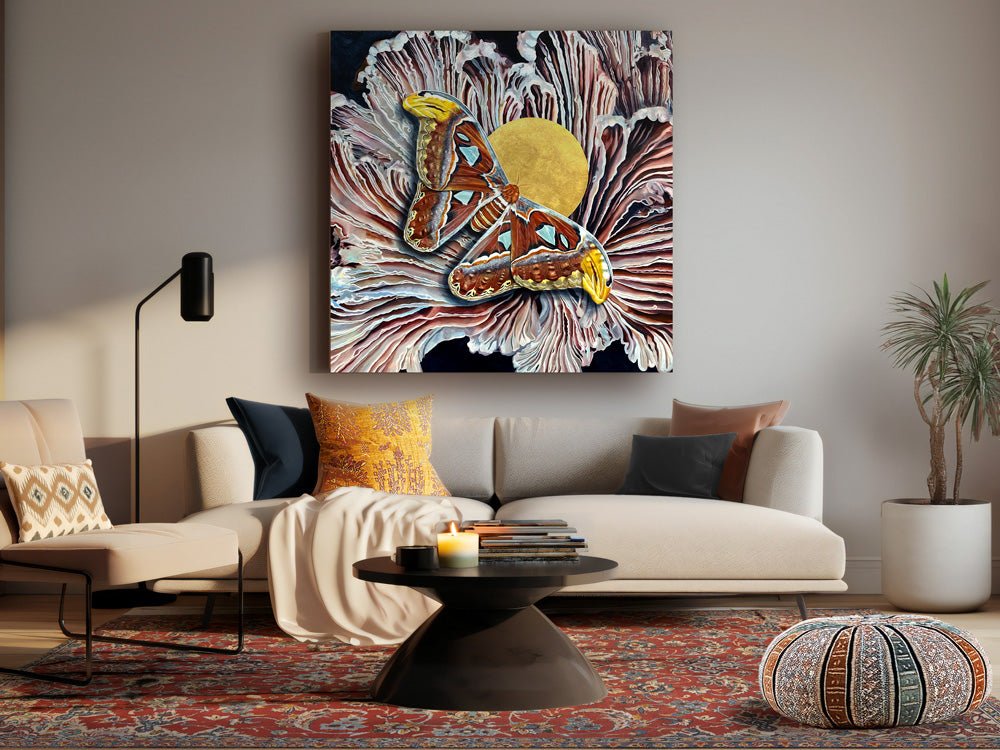
Credit: thecopperwolf.com
Incorporating Wall Art With Decor
Modern wall art can change how a room feels. It adds style and personality to your space.
Choosing the right art and placing it well can improve your room’s look. It works well with your decor.
Coordinating With Furniture
Pick wall art that matches your furniture’s color and style. This creates a balanced look.
Keep the size of the art in mind. Big art fits large furniture. Small art suits smaller pieces.
- Match colors between art and furniture for harmony
- Use shapes that echo furniture lines
- Place art above or near furniture to link them
Using Wall Art As Focal Points
Wall art can be the main focus of a room. It draws attention and adds interest.
Choose bold or colorful pieces for focal points. Place them where people look first.
- Hang art at eye level for best impact
- Use lighting to highlight the art
- Keep space around the art clear
Adding Texture And Depth
Different textures in wall art add depth to a room. They make walls look more interesting.
Mix smooth paintings with rough or raised art. This contrast creates a rich feel.
- Use canvas, wood, or metal art for texture
- Try 3D or layered pieces
- Combine soft and hard materials
Tips For Hanging And Placement
Modern wall art can change the look of any room. Proper hanging and placement make your art stand out.
Use simple tips to find the best spot and height for your art. Good lighting and shelves help, too.
Optimal Height And Spacing
Hang your wall art at eye level. This is usually about 57 to 60 inches from the floor to the center of the art.
Keep enough space between pieces. About 2 to 5 inches works well for most arrangements.
- Measure from the floor to the center of the art
- Leave 2 to 5 inches between frames
- Consider the size of the wall and furniture below
Using Wall Shelves And Ledges
Wall shelves and ledges let you display art without nails. You can easily change the look anytime.
Mix art with small plants or books on shelves for a stylish look. Keep the display balanced and neat.
- Use narrow shelves for small art pieces
- Layer art by leaning pieces against the wall
- Combine art with decorative items for variety
Lighting To Enhance Art
Good lighting makes your art look better. Use spotlights or picture lights to highlight your pieces.
Natural light can also work but avoid direct sunlight. Sunlight may fade colors over time.
- Use adjustable spotlights for flexibility
- Choose warm light to create a cozy feel
- Place lights above or to the side of the art
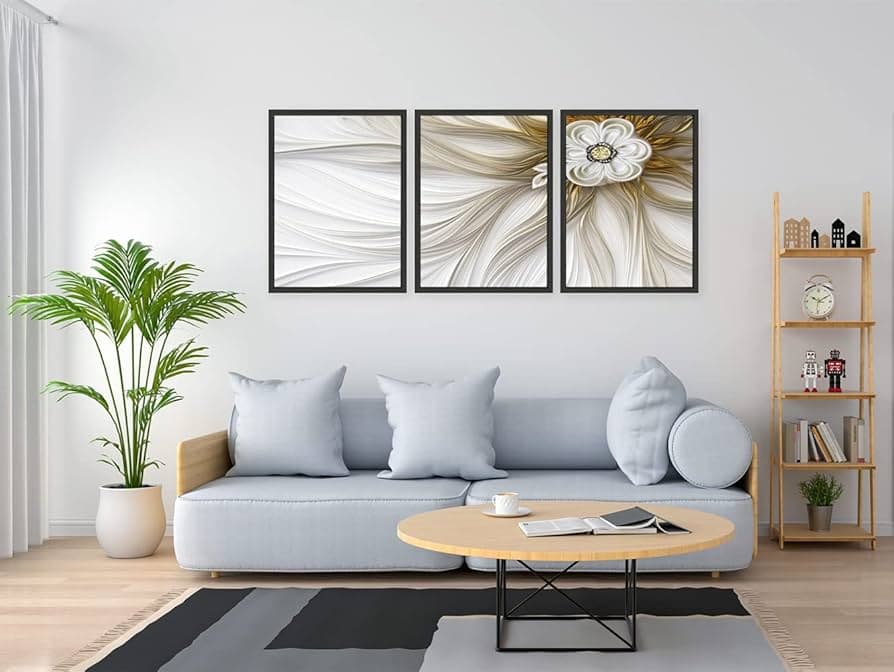
Credit: desiwall.com
Diy Modern Wall Art Ideas
Modern wall art adds style and personality to any room. You can create your own art with simple materials.
DIY projects let you customize colors and shapes. These ideas fit many spaces and budgets.
Creating Your Own Abstract Art
Abstract art uses shapes and colors to express feelings. You do not need to draw perfect images.
Try mixing paint on canvas or paper. Use brushes, sponges, or even your hands to make patterns.
- Choose two or three colors you like
- Use bold strokes or soft blends
- Let paint drip or splash for texture
- Work quickly or slowly to change effects
- Sign your work for a personal touch
Framing Personal Photos
Photos capture memories and add warmth to your walls. Use frames to make pictures stand out.
Choose simple frames that match your decor. You can also create collage walls with many photos.
- Pick photos with good lighting and focus
- Use mats to add space around pictures
- Mix frame sizes for interest
- Arrange photos on the floor before hanging
- Use hooks or nails to secure frames safely
Using Recycled Materials
Recycled materials are eco-friendly and unique. Old wood, paper, and fabric can become wall art.
Look around your home for items to reuse. Paint or cut them into shapes for creative designs.
- Cut cardboard into geometric shapes
- Use old magazines for paper collages
- Paint on reclaimed wood pieces
- Glue fabric scraps for texture
- Seal finished art with clear varnish

Credit: buywallart.ca
Frequently Asked Questions
How Do I Choose Modern Wall Art?
Choosing modern wall art involves considering your room’s color scheme, style, and size. Look for pieces that complement your existing decor and enhance the room’s ambiance. Select art that reflects your personality and evokes the desired mood.
What Are Popular Modern Wall Art Styles?
Popular modern wall art styles include abstract, minimalism, geometric, and contemporary. These styles often feature bold colors, clean lines, and unique designs. Choose a style that resonates with your personal taste and complements your home’s overall decor theme.
How To Arrange Modern Wall Art Effectively?
Arrange modern wall art by creating a focal point and ensuring balance. Use the rule of thirds for visual appeal. Consider the size and shape of each piece, and maintain consistent spacing. This creates a cohesive look and enhances the room’s aesthetic.
Can I Mix Different Art Styles On One Wall?
Yes, you can mix different art styles on one wall. Combine styles that share a common color palette or theme. This creates a harmonious arrangement and adds visual interest. Be mindful of spacing and balance to maintain a cohesive look.
Conclusion
Modern wall art arrangements add charm and style to any space. They bring life to plain walls and reflect your personality. Mixing colors, shapes, and sizes creates a unique look. Art can inspire and make a room feel warm and welcoming.
Choose pieces that speak to you and fit your space well. Experiment with different layouts until it feels right. Small changes can make a big difference. Your walls can tell a story. Enjoy the process of creating your own art display.