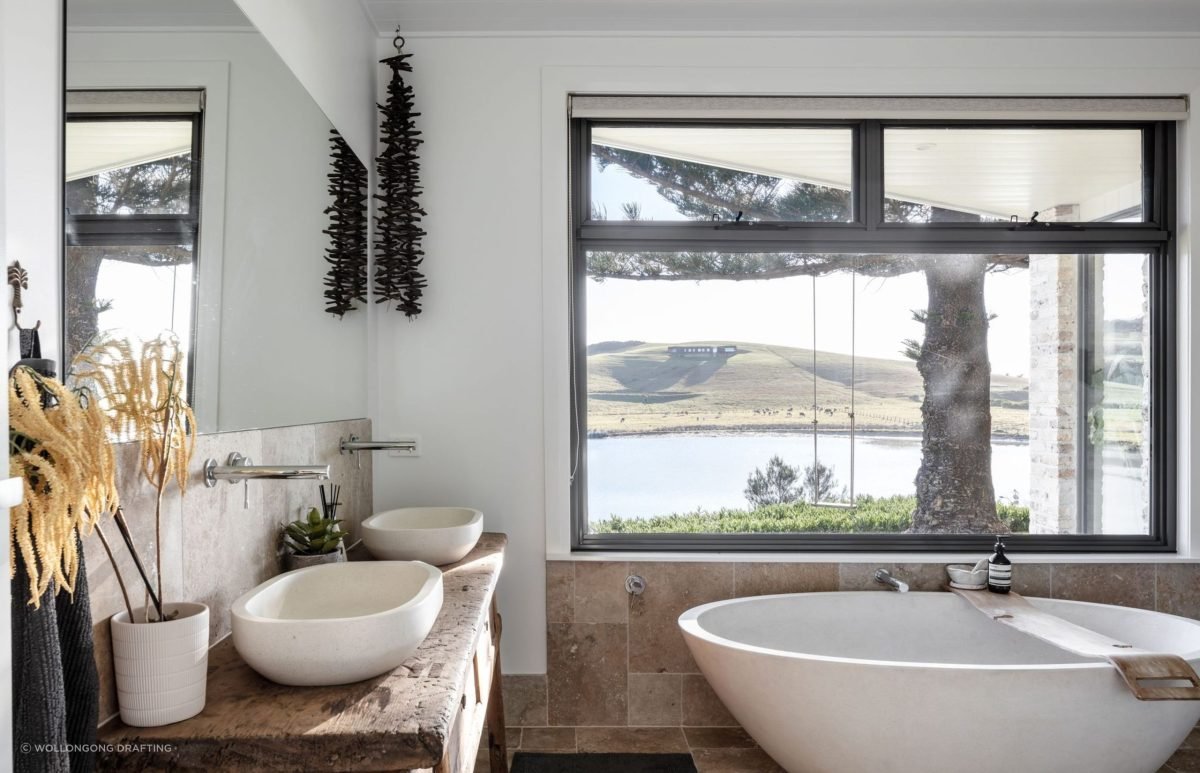
Imagine stepping into your classroom and feeling an instant calm wash over you and your students. Natural classroom decor can do just that.
It brings the outdoors inside, creating a warm and inviting space that sparks creativity and focus. You might wonder how simple changes can make such a big difference. Stick with me, and you’ll discover easy, practical ideas to transform your classroom into a natural haven that everyone will love.
Ready to see how nature can boost learning and well-being in your space? Let’s dive in.

Credit: www.teacherspayteachers.com
Benefits Of Natural Decor
Natural classroom decor uses plants, wood, and natural colors. It creates a calm and welcoming space for students.
This type of decor helps students feel relaxed and focused. It also supports a healthy learning environment.
Boosting Student Wellbeing
Natural decor can reduce stress and anxiety in students. It makes the classroom feel safe and comfortable.
Plants and natural materials improve air quality. Better air helps students breathe easier and stay healthy.
- Reduces stress levels
- Improves air quality
- Creates a calming atmosphere
Enhancing Learning Environment
Natural elements help students focus better on their lessons. They connect students to nature, which aids concentration.
Using natural colors and textures lowers distractions. It makes the classroom a pleasant place to learn.
- Improves focus and attention
- Reduces noise and distractions
- Supports calm and creativity
Promoting Sustainability
Natural decor uses eco-friendly materials that can be reused or recycled. It teaches students to care for the planet.
Choosing natural decor helps reduce waste and pollution. It supports a greener and cleaner environment.
- Uses renewable materials
- Reduces plastic and waste
- Encourages eco-friendly habits

Credit: missjacobslittlelearners.com
Eco-friendly Materials
Choosing eco-friendly materials helps protect the environment. Natural classroom decor can use these materials to create a healthy space.
Using recycled, plant-based, and sustainable fabrics reduces waste and pollution. It also teaches students about caring for nature.
Using Recycled Items
Recycled items give new life to old materials. They reduce landfill waste and save resources.
- Use jars and bottles as pencil holders.
- Create bulletin boards from old cork tiles.
- Make art frames from scrap wood.
- Turn cardboard boxes into storage bins.
Incorporating Plants
Plants bring fresh air and color to the classroom. They connect students to nature and boost mood.
| Plant Type | Care Level | Benefits |
| Spider Plant | Low | Filters air pollutants |
| Succulent | Very Low | Needs little water |
| Herbs (Basil, Mint) | Medium | Can be used in cooking |
Choosing Sustainable Fabrics
Sustainable fabrics come from natural or recycled sources. They use less water and chemicals in production.
Popular sustainable fabrics include:
- Cotton from organic farms
- Hemp, which grows quickly
- Linen, made from flax plants
- Recycled polyester from plastic bottles
Creative Decor Ideas
Decorating a natural classroom helps students feel calm and focused. Using nature-themed items brings warmth and beauty to the space.
Here are some ideas to add natural touches. These ideas use simple materials and respect the environment.
Diy Natural Wall Art
Create wall art using leaves, twigs, and stones. Press leaves between books and frame them for a simple look. Use twigs to make shapes or letters.
- Collect colorful leaves from outside
- Press and dry leaves for a week
- Arrange leaves on paper to form patterns
- Glue twigs to create letters or shapes
- Frame your art with recycled materials
Nature-inspired Bulletin Boards
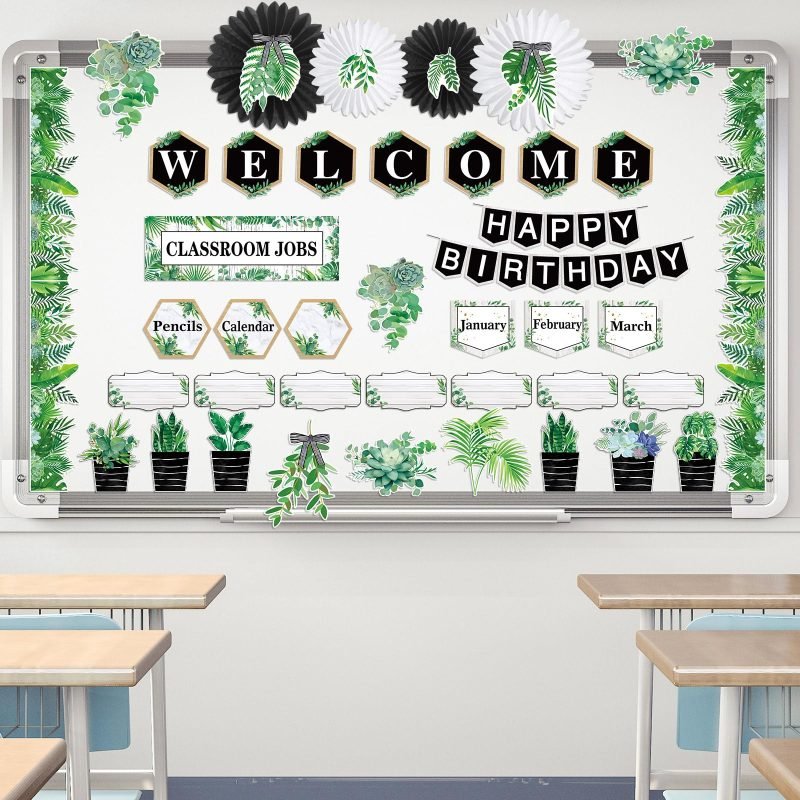
Bulletin boards can use natural elements to feel fresh and inviting. Use cork boards or bark as a base. Decorate with pine cones, acorns, or pressed flowers.
Materials for Nature-Inspired Boards
| Material | Use |
|---|---|
| Cork Sheet | Base for pinning notes |
| Pine Cones | Decorative border |
| Pressed Flowers | Visual interest |
| Twine | Hold items or create lines |
Eco-friendly Storage Solutions
Keep the classroom tidy with storage made from natural materials. Use baskets, wooden crates, and cloth bags. Label each container with recycled paper tags.
- Use woven baskets to store books and toys
- Recycle wooden crates as shelves
- Make cloth bags for art supplies
- Label containers with hand-written tags
- Choose items that can be reused or recycled
Involving Students
Using natural classroom decor helps students connect with nature. It creates a calm and inviting space for learning.
Involving students in making and caring for natural decor gives them hands-on experience. They learn responsibility and respect for the environment.
Hands-on Craft Projects
Students enjoy making crafts from natural materials. They use leaves, twigs, pinecones, and stones to create art.
These projects help students explore textures, shapes, and colors found in nature. They develop creativity and fine motor skills.
- Leaf rubbings with crayons
- Making mobiles from sticks and feathers
- Painting rocks with natural pigments
- Creating nature collages
Gardening And Plant Care
Growing plants in the classroom teaches students how to care for living things. They watch seeds grow into plants over time.
Students take turns watering and checking on plants. This routine builds patience and a sense of duty.
- Planting easy herbs like basil or mint
- Watching sprouting seeds in clear containers
- Learning about sunlight and water needs
- Harvesting small plants for classroom use
Encouraging Eco Awareness
Natural decor helps students understand the importance of nature. It teaches them to protect the environment.
Students learn to reduce waste by using recycled and natural items. They also talk about ways to save energy and water.
- Discussing why plants are important
- Using recycled paper and containers
- Talking about recycling and composting
- Encouraging walking or biking to school
Maintaining Natural Decor
Natural classroom decor uses materials like wood, plants, and stones. It creates a calm and inviting space for students.
Keeping natural decor in good shape helps it last longer and stay beautiful. Simple care routines make a big difference.
Regular Upkeep Tips
Check natural decor items often to spot dirt or damage. Dust plants and wooden objects gently to keep them clean.
Fix small problems quickly to avoid bigger repairs. Keep natural materials dry and away from harsh sunlight.
- Dust surfaces weekly using a soft cloth
- Water plants as needed but avoid overwatering
- Repair broken items with natural glue or twine
- Keep decor away from direct heat or sun
Seasonal Updates
Change natural decor to match the seasons. Use seasonal flowers, leaves, or branches to refresh the look.
Seasonal updates keep the classroom lively and connect students to nature’s cycles. Rotate items and add new natural elements.
- Use autumn leaves and pinecones in fall
- Add fresh flowers and green plants in spring
- Include seashells or sand in summer
- Use evergreen branches and berries in winter
Sustainable Cleaning Methods
Choose gentle and eco-friendly cleaning products for natural decor. Harsh chemicals can damage plants and wood.
Natural cleaners like vinegar and baking soda work well. Use soft brushes or cloths to avoid scratching surfaces.
- Mix water and vinegar for a safe wood cleaner
- Use mild soap and water for plant pots
- Clean with a soft brush to remove dirt
- Air dry items after cleaning to prevent mold

Credit: www.teacherspayteachers.com
Frequently Asked Questions
What Is Natural Classroom Decor?
Natural classroom decor uses elements from nature like plants, wood, and stones. It creates a calming and engaging learning environment. This decor style promotes creativity and connects students with the outdoors.
How Does Natural Decor Benefit Students?
Natural decor improves focus, reduces stress, and boosts mood. It enhances students’ connection to nature and encourages environmental awareness. These benefits contribute to a positive and productive classroom atmosphere.
What Materials Are Used In Natural Classroom Decor?
Common materials include wood, plants, natural fibers, stones, and recycled items. These materials are eco-friendly and add warmth and texture to the classroom. They help create a sustainable and inviting space.
How Can I Create A Natural Classroom On A Budget?
Use recycled materials, collect natural items like leaves and stones, and grow small plants. DIY projects with students also save money and increase engagement. Simple changes can transform your classroom affordably.
Conclusion
Natural classroom decor brings calm and focus to learning spaces. It helps students connect with nature and feel more relaxed. Using natural materials like wood, plants, and soft colors creates a warm, inviting room. This kind of decor supports creativity and curiosity in students.
Teachers can easily change decorations with the seasons or themes. Simple touches make a big difference in the classroom mood. Natural decor also encourages respect for the environment. Small changes can lead to a happier, healthier classroom for everyone. Try adding natural elements to brighten your learning space today.