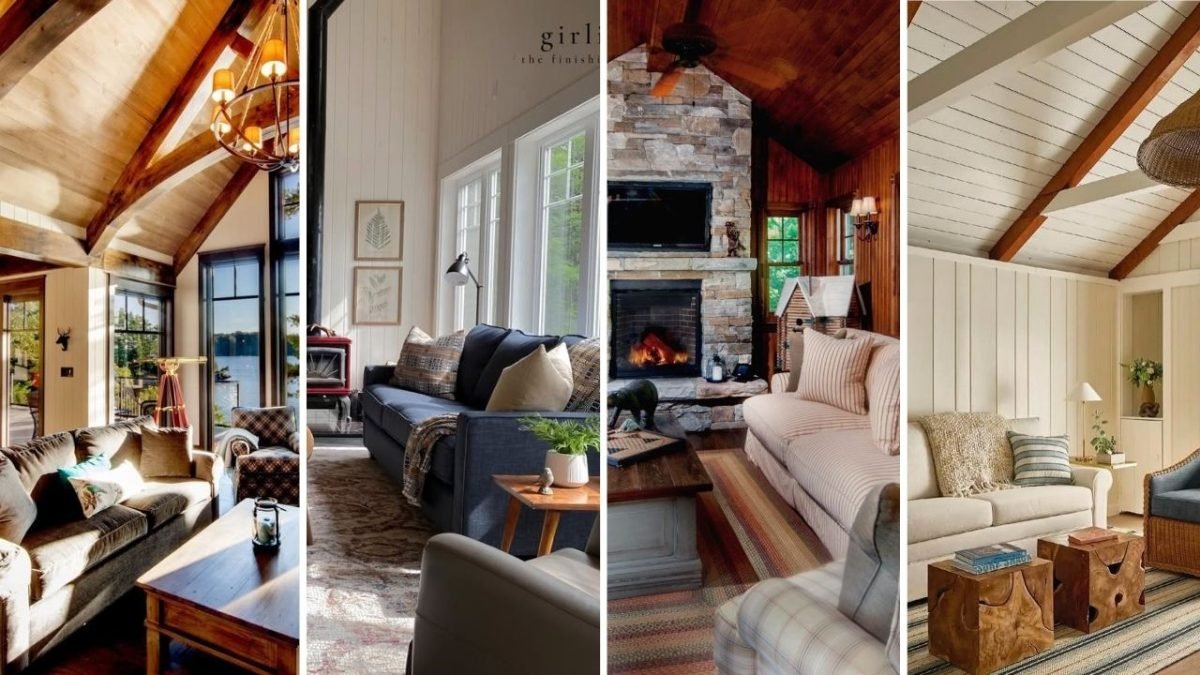
Are you struggling to find the perfect spot for your rustic living room rug? You’re not alone.
Placing a rug the right way can completely change the feel of your space, making it cozy and inviting. But it’s easy to get it wrong—too small, too big, or just awkwardly placed. What if you could learn simple hacks that instantly transform your room and highlight your rustic style?
Keep reading, because these easy rug placement tips will help you create a warm, balanced living room that feels just right every time.
Choosing The Right Rug Size
Choosing the right rug size is key in a rustic living room. A well-sized rug brings warmth and comfort.
It also helps define the space and ties furniture together. Picking the wrong size can make the room look off.
Measure Your Space Accurately
Measure your living room before buying a rug. Use a tape measure for best results.
Note the length and width of the area where you want the rug. Mark any furniture placement on the floor.
- Measure the full seating area
- Check space under furniture legs
- Leave some floor space around the rug
Balancing Rug And Furniture Proportions
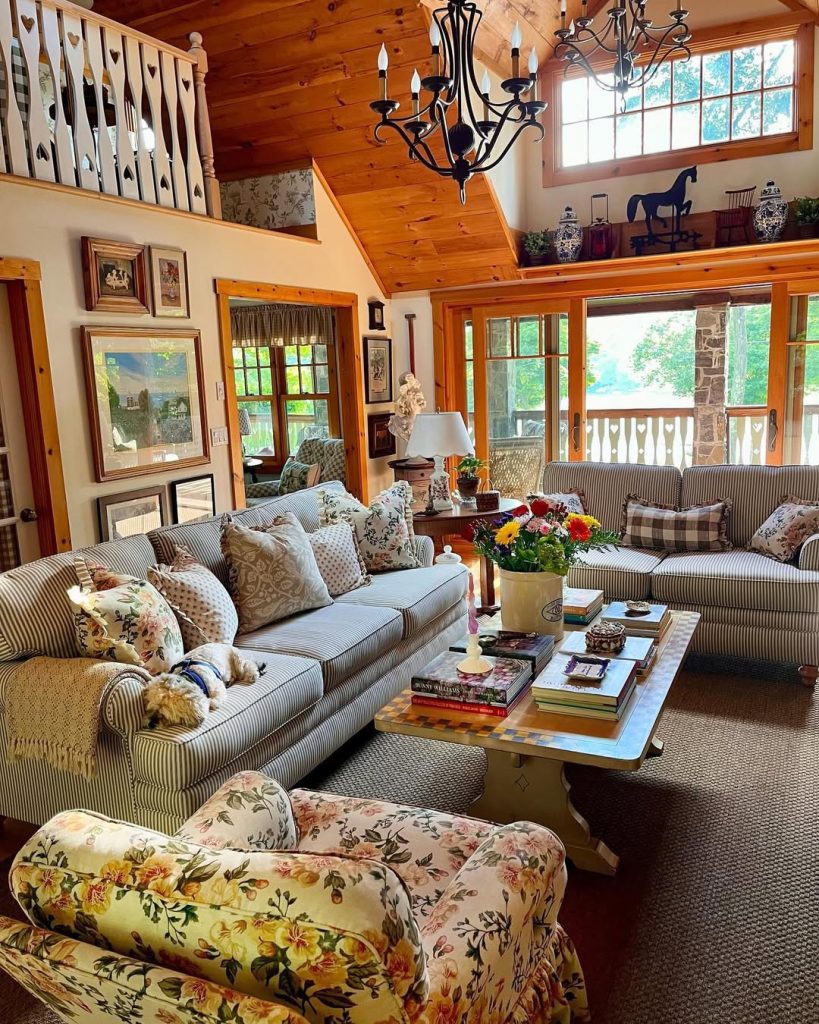
Match the rug size to your furniture size and layout. The rug should fit under key pieces like sofas and chairs.
Leave some floor visible around the rug edges. This keeps the room balanced and not crowded.
- Rug large enough for front legs on the rug
- Small rugs can sit under coffee tables only
- Keep at least 12 inches of floor around rug edges
Rug Shapes For Rustic Rooms
Choosing the right rug shape can change the look of a rustic living room. Rugs add warmth and style. Picking the correct shape helps the room feel balanced.
Different rug shapes fit different furniture layouts. Some shapes work better with certain room sizes and styles. Let’s explore rectangular, square, round, and oval rug options.
Rectangular And Square Options
Rectangular rugs are the most common choice for rustic rooms. They fit well under sofas and coffee tables. Square rugs suit smaller spaces or seating areas.
These shapes create clean lines and make rooms look neat. They help ground furniture groups and define areas. Choose natural fibers for a rustic feel.
- Place a rectangular rug under the front legs of the sofa and chairs.
- Use a square rug in a small reading nook or in front of a fireplace.
- Layer smaller square rugs on top of a larger rectangle for texture.
- Choose neutral or earthy tones to match rustic decor.
Round And Oval Alternatives
Round and oval rugs soften sharp corners in rustic rooms. They add a cozy, inviting look. These shapes work well under round tables or in open spaces.
Oval rugs can fit hallways or long rooms better than rectangles. Round rugs highlight small seating areas or entryways nicely. They bring a natural flow to rustic interiors.
- Place a round rug under a circular coffee table for balance.
- Use an oval rug to guide traffic in narrow rooms.
- Choose jute or wool rugs for texture and durability.
- Mix round rugs with rustic wooden furniture for charm.
Placement Styles That Work
Choosing the right placement for your rustic living room rug can change the look of your space. Rugs add warmth and style to your room. Placing them well helps to create a cozy, inviting area.
Here are some easy rug placement styles that work well in rustic living rooms. Each style highlights different parts of your furniture and room layout.
Centered Under The Coffee Table
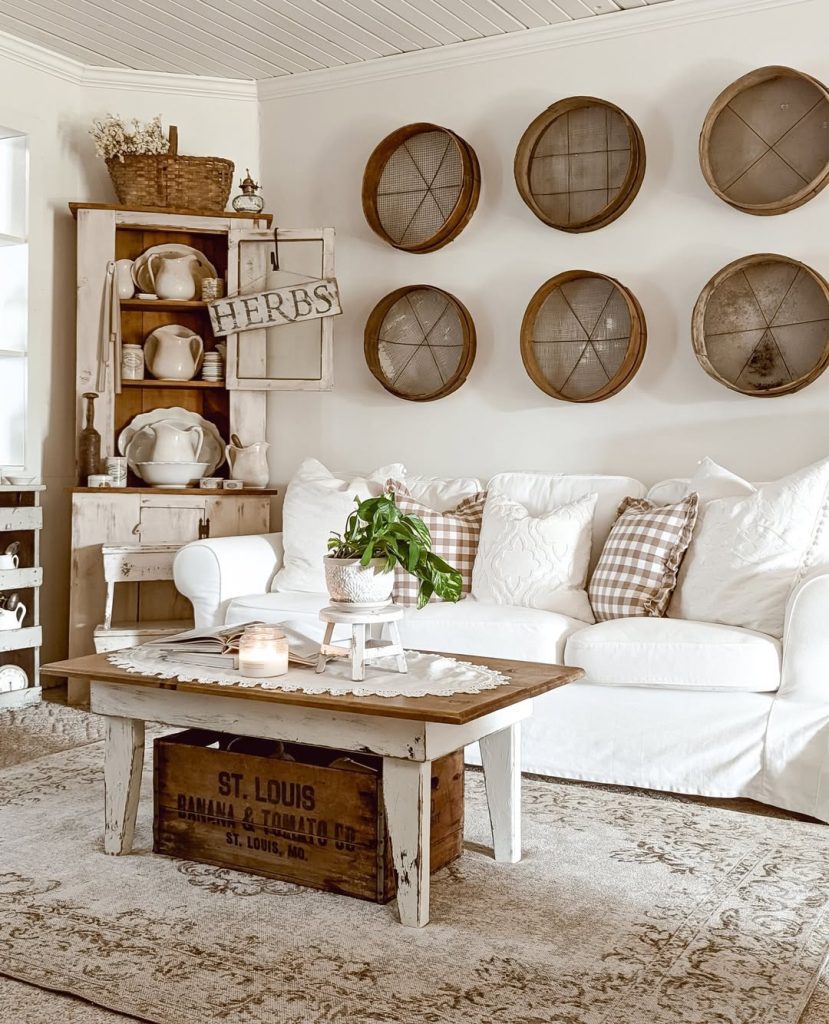
Placing the rug centered under the coffee table is a classic look. It anchors the table and defines the seating area. This style keeps the rug size balanced with the furniture.
Make sure the rug is large enough so the coffee table fits fully on it. This prevents the rug from looking too small or out of place.
- Choose a rug that extends beyond the coffee table edges by at least 12 inches
- This placement works well with sofas and chairs arranged around the table
- Use rugs with natural textures or muted colors to match rustic themes
Layering Rugs For Depth
Layering rugs adds depth and interest to your living room. Start with a larger neutral rug and place a smaller patterned or textured rug on top. This creates a warm, cozy feel.
Layering also helps protect your floors and allows you to mix different materials for a rustic look. This style works well in larger rooms with open seating.
- Place a large jute or sisal rug first for a natural base
- Add a smaller wool or patterned rug on top for contrast
- Keep the layered rugs centered under the coffee table or main seating
- Use non-slip pads to keep rugs from shifting
Floating Rug Placement
Floating rugs are placed away from furniture, usually in front of a sofa or chair. This style creates a casual and airy look. It works well in rooms with lots of open space.
Make sure the rug is large enough to sit fully on the floor without furniture legs touching it. This style highlights the rug’s texture and color.
- Use floating rugs in front of seating areas for a soft spot
- Pick rugs with rustic patterns or natural fibers
- Keep floating rugs simple to avoid clutter
- Combine with wooden or leather furniture for a cozy rustic feel
Credit: www.thecraftyhacks.com
Color And Texture Choices
Choosing the right color and texture is key for rustic living room rugs. They set the tone and feel of the space.
Rugs with natural colors and rich textures add warmth and comfort. They make the room cozy and inviting.
Earth Tones And Natural Fibers
Earth tones like brown, beige, and green fit well in rustic rooms. These colors reflect nature and bring calm.
Natural fibers such as wool, jute, and sisal add texture and durability. They give a handcrafted, organic look.
- Brown and tan shades blend with wood furniture
- Green rugs echo outdoor plants and trees
- Wool rugs feel soft and warm underfoot
- Jute and sisal rugs offer rough, natural textures
Mixing Patterns And Textures
Mixing patterns and textures creates interest without clutter. Use simple designs with textured fibers.
Pair striped or geometric rugs with solid textured rugs. This balances the room and adds depth.
- Combine a soft wool rug with a rough jute runner
- Use subtle patterns to avoid overpowering the space
- Layer rugs for more texture and warmth
- Match colors across patterns for a unified look
Practical Tips For Rug Maintenance
Keeping your rustic living room rug clean helps it last longer. Proper care keeps the rug looking fresh and cozy.
Use simple habits to protect your rug. These tips make maintenance easy and effective.
Cleaning And Care
Vacuum your rug regularly to remove dirt and dust. Use a vacuum without a beater bar to avoid damage.
Spot clean spills quickly to prevent stains. Blot the area with a clean cloth and mild soap.
- Shake small rugs outside to remove dust
- Avoid harsh chemicals for cleaning
- Use a rug pad to reduce dirt buildup
- Rotate the rug every few months for even wear
Preventing Slips And Wear
Use non-slip pads under your rug to keep it in place. This prevents accidents and protects floors.
Place furniture on the edges of the rug to avoid heavy wear in one spot. This helps the rug keep its shape.
- Check the rug edges for fraying and fix quickly
- Keep rugs away from direct sunlight to avoid fading
- Lift furniture when moving it to avoid snagging
- Replace worn pads to maintain grip
Credit: www.thecraftyhacks.com
Enhancing Rustic Ambiance
A rustic living room feels warm and inviting. Rugs play a big role in creating this cozy look.
Choosing the right rug and placing it well can highlight the rustic style of your home.
Pairing Rugs With Wooden Furniture
Wooden furniture and rugs go well together. The natural textures add depth to the room.
Choose rugs with earthy tones to match wood grains and keep the space balanced.
- Use rugs with warm colors like brown, beige, or rust
- Place rugs under coffee tables or seating areas
- Match rug size to furniture to avoid crowding or empty spaces
- Layer smaller rugs over larger neutral rugs for texture
Incorporating Vintage Accents
Vintage rugs add character and charm to rustic rooms. They bring history into the space.
Look for rugs with faded patterns or worn edges to enhance the rustic feel.
- Choose rugs with soft colors and classic designs
- Mix vintage rugs with plain wooden floors
- Use vintage pieces as focal points in the room
- Combine vintage rugs with antique furniture for a cohesive look

Credit: www.thecraftyhacks.com
Frequently Asked Questions
How Do I Choose A Rustic Rug?
Selecting a rustic rug involves considering the room’s color palette and existing decor. Opt for natural materials like wool or jute. Patterns such as tribal or geometric can enhance the rustic feel. Ensure the rug size complements the room’s dimensions without overwhelming it.
Always prioritize quality and durability for long-lasting charm.
Where Should I Place A Living Room Rug?
Position your rug to anchor your seating area. Ensure the front legs of your furniture rest on the rug. This setup creates cohesion and warmth. Leave a space of 12 to 18 inches between the rug and walls. This balance highlights the room’s design, enhancing the rustic ambiance.
What Size Rug Fits A Rustic Living Room?
For rustic living rooms, choose a rug that complements your furniture layout. An 8×10 or 9×12 rug suits most setups. Ensure the rug is large enough for furniture front legs to rest on it. This creates a unified look, making the room feel inviting and cohesive.
Can Layering Rugs Work In Rustic Decor?
Layering rugs can enhance rustic decor by adding texture and depth. Start with a larger, neutral base rug. Add a smaller, patterned rug on top to create contrast. This technique highlights focal areas and adds warmth. Ensure colors and patterns complement each other for a harmonious look.
Conclusion
Choosing the right rug placement can change your rustic living room’s feel. Keep the rug size balanced with your furniture. Let the rug anchor the space and add warmth. Don’t be afraid to experiment with angles or layering. Small changes create big comfort and style differences.
A well-placed rug invites relaxation and charm. Try these simple hacks to boost your room’s look today. Enjoy a cozy, inviting space everyone will love.