Is your small home office feeling cramped and cluttered? You’re not alone.
Finding the perfect furniture placement can transform your space from chaotic to calm, boosting your focus and productivity. Imagine walking into your office and instantly feeling motivated, with everything you need right at your fingertips. You’ll discover simple, smart ways to arrange your furniture that make the most of every inch.
Keep reading to unlock the secrets that will turn your small office into a powerful, inspiring workspace.
Choosing The Right Desk
Picking the right desk is important for a small home office. The desk should fit the space and meet your work needs.
Think about size, shape, and features before buying. A good desk helps you stay organized and comfortable.
Compact Desk Designs
Compact desks save space in small rooms. They have a small footprint but still offer enough workspace.
Look for desks with slim profiles or built-in storage. These designs keep your office neat without crowding the room.
- Corner desks use room corners efficiently
- Wall-mounted desks free floor space
- Foldable desks can be stored when not in use
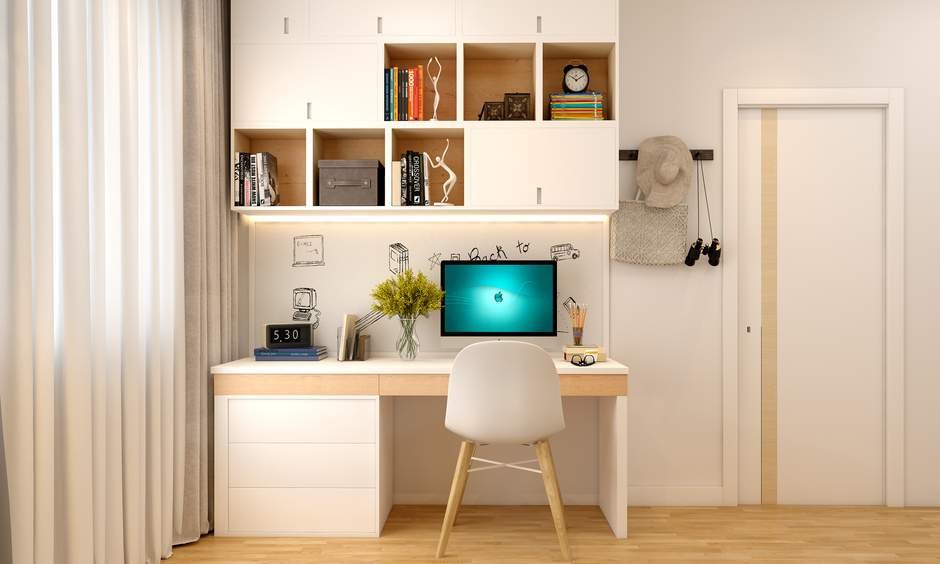
- Desks with shelves add storage without extra furniture
Adjustable And Multi-functional Desks
Adjustable desks let you change height or angle. They help you work comfortably sitting or standing.
Multi-functional desks combine work area with storage or other uses. These desks maximize small spaces well.
- Height-adjustable desks reduce back strain
- Desks with built-in drawers keep supplies handy
- Convertible desks can change into tables or shelves
- Desks with cable management reduce clutter
Optimizing Chair Selection
Choosing the right chair is key for a small home office. A good chair helps you work comfortably.
Picking a chair that fits your space and supports your body can improve your workday.
Ergonomic Features
An ergonomic chair supports your body and reduces pain. It helps keep your back straight.
Look for adjustable parts to fit your height and desk. This keeps your posture correct.
- Adjustable seat height for proper leg position
- Lumbar support to protect your lower back
- Armrests that reduce shoulder strain
- Swivel base for easy movement
- Breathable materials to keep you cool
Space-saving Options
Small spaces need chairs that fit well and save room. Look for compact designs.
Choose chairs that tuck under the desk or fold away when not in use.
- Armless chairs to fit narrow spaces
- Stackable chairs for easy storage
- Folding chairs to free floor space
- Chairs with slim profiles
- Wheels for easy moving
Smart Storage Solutions
Small home offices need smart storage to save space. Good storage keeps your work area neat and organized.
Using the right furniture and storage ideas makes your office more comfortable and productive.
Vertical Shelving
Vertical shelves use wall space to store books and supplies. They keep your desk clear and your items easy to reach.
Stack shelves above your desk or near the wall to save floor space and keep things organized.
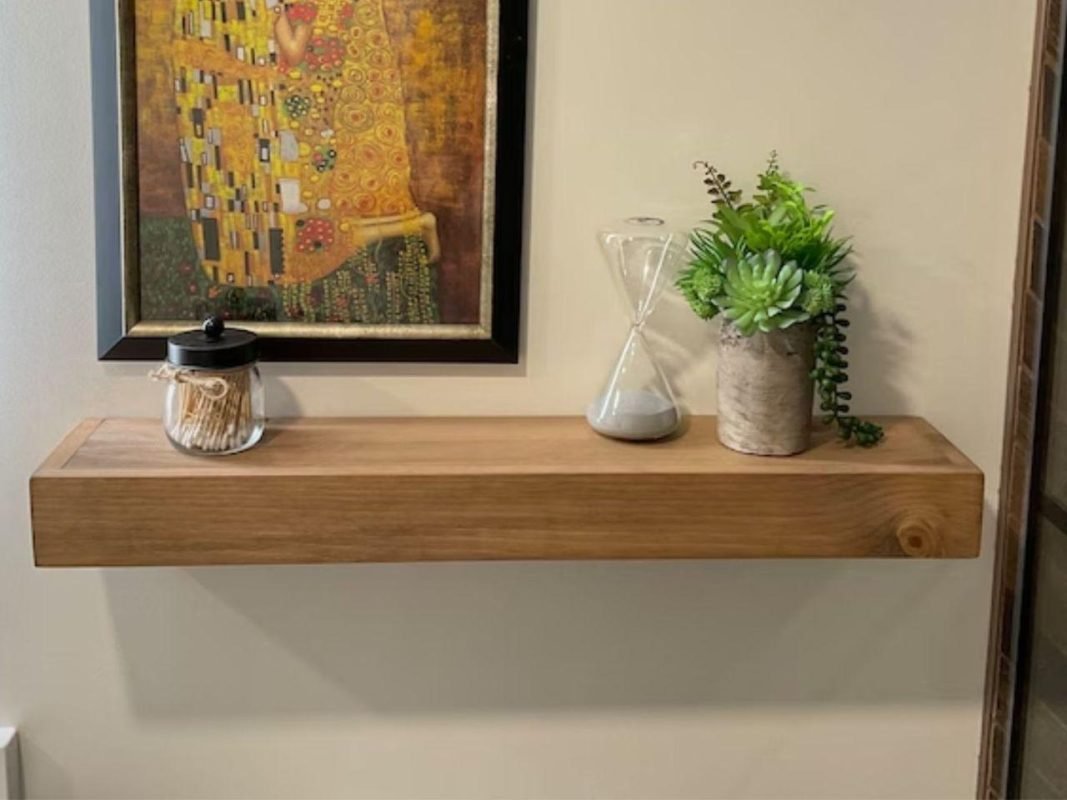
- Install floating shelves to hold small items
- Use tall bookcases for files and books
- Mix open and closed shelves for style and function
Under-desk Storage
Under-desk storage makes use of space below your work surface. Drawers and small cabinets fit here well.
This storage keeps tools close but out of sight, helping your desk look clean.
- Use rolling drawers for easy access and mobility
- Install small shelves or baskets under the desk
- Choose slim storage to avoid legroom loss
Multi-purpose Furniture
Furniture that serves more than one job saves space. Desks with built-in storage are a good example.
Choose pieces that combine storage and work areas for a small office.
- Desks with shelves or drawers included
- Ottomans with hidden storage inside
- Fold-out tables with storage compartments

Credit: www.digsdigs.com
Layout Strategies For Small Spaces
Small home offices need smart furniture placement to use space well. Good layout helps you work comfortably.
Choosing the right spot for each piece can make the room feel bigger and more organized.
Corner Placement
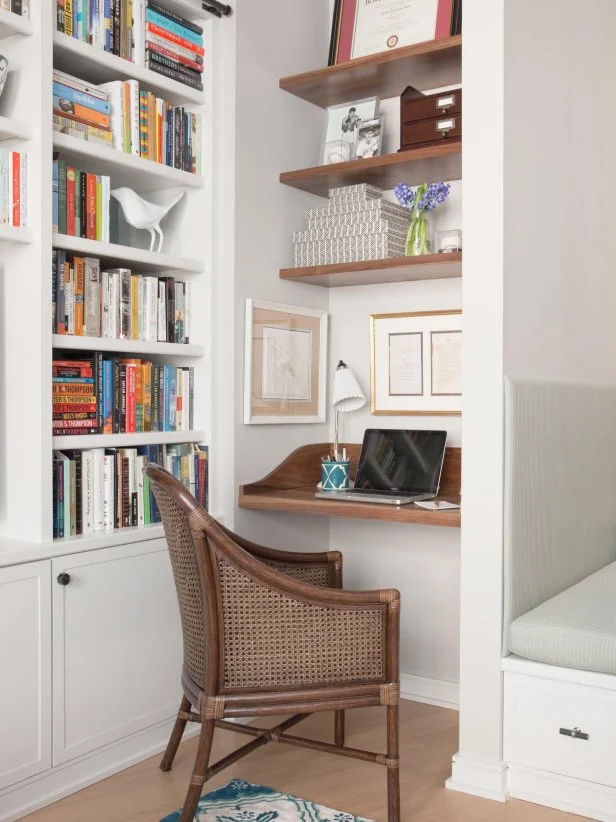
Placing your desk or shelves in a corner saves space in the center. Corners often go unused but can fit small desks well.
This setup creates a cozy work area and leaves room for other furniture or walking space.
- Use L-shaped desks to fit snugly into corners
- Add floating shelves above to save floor space
- Keep corners clutter-free to avoid a cramped look
Floating Furniture
Floating furniture means attaching shelves or desks to walls without legs touching the floor. This frees up floor space.
It makes the room look open and less crowded, which is great for small offices.
- Wall-mounted desks keep the floor clear
- Floating shelves store supplies within reach
- Use brackets that blend with the wall color
Zoning Work Areas
Zoning means dividing the room into areas for different tasks. It helps you stay focused and organized.
Even in small spaces, you can create zones by using rugs or furniture placement.
- Place the desk in one zone for focused work
- Use a small table or shelf for printing or storage zone
- Add a comfortable chair in a reading or break zone
Lighting And Ambiance
Good lighting is key for a small home office. It helps reduce eye strain and keeps you alert. The right ambiance can make your workspace inviting and productive.
Using natural light and proper task lighting will improve how you feel and work in your office. This guide covers both important elements for your space.
Natural Light Utilization
Place your desk near a window to use natural light. This will brighten your workspace and save energy. Avoid glare on your computer screen by positioning the desk to the side of the window.
- Keep windows clean to allow more light
- Use light curtains to soften harsh sunlight
- Choose light wall colors to reflect daylight
- Arrange furniture to keep light paths clear
Task Lighting Choices
Task lighting helps you see details clearly. It reduces eye fatigue during work. Use adjustable lamps to direct light where needed most.
| Type of Light | Best Use | Benefits |
| Desk Lamp | Focused work area | Bright, adjustable light |
| Floor Lamp | Extra room lighting | Softens shadows |
| LED Strip | Under shelves or cabinets | Even, low heat lighting |

Credit: www.hgtv.com
Tech And Cable Management
Managing cables in a small home office can be tough. Keeping your workspace tidy helps you focus better.
Technology plays a big role in how you set up your office. Organizing cables and going wireless can make life easier.
Wireless Solutions
Wireless devices reduce cable clutter. They also give you more freedom to move.
Using wireless keyboards, mice, and printers can help. These devices connect through Bluetooth or Wi-Fi.
- Bluetooth keyboards save desk space
- Wireless mice are easy to use
- Wi-Fi printers allow printing from anywhere
Cable Organizers
Cable organizers keep your cables neat and tidy. They prevent tangles and make your workspace look clean.
There are many types of cable organizers. Some are clips, others are boxes or sleeves.
- Cable clips hold cables in place
- Cable boxes hide large power strips
- Cable sleeves bundle multiple cables together
Personalizing Without Clutter
Creating a personalized home office is important. You want it to reflect your style. At the same time, it should not feel cluttered. Organizing your space with the right furniture helps a lot.
Choose pieces that fit your needs. They should also complement your style. This will make your office a place you enjoy spending time in.
Minimalist Decor
Minimalist decor keeps your office tidy. Use simple and clean lines. Avoid too many decorations. This helps keep the focus on work.
Choose a neutral color palette. Whites, grays, and soft pastels are great. These colors create a calm environment.
- Pick a desk with clean lines
- Use a simple chair design
- Limit wall decorations
Functional Accessories
Functional accessories are key. They help organize your space. Choose items that serve a purpose.
Consider a desk organizer. It keeps papers and pens in order. A good lamp is also important. It provides enough light to work comfortably.
- Desk organizers for paperwork
- Lamps with adjustable light
- Wall-mounted shelves for extra storage
Credit: www.hgtv.com
Frequently Asked Questions
How To Maximize Space In Small Home Office Furniture Placement?
Maximize space by using multi-functional furniture, like desks with storage. Position furniture near natural light. Use vertical shelves to free floor space. Keep pathways clear to maintain comfort and accessibility.
What Is The Best Desk Shape For Small Home Offices?
Compact L-shaped or corner desks work best for small spaces. They fit snugly in corners, saving room. Choose desks with built-in storage to reduce clutter. This setup improves workflow and maximizes surface area.
How To Arrange Furniture For Better Productivity In Small Offices?
Place your desk facing a window for natural light and inspiration. Keep frequently used items within arm’s reach. Use ergonomic chairs to support posture. Maintain an organized, clutter-free environment to boost focus.
Can I Use Wall-mounted Furniture In Small Home Offices?
Yes, wall-mounted shelves and desks save floor space. They keep essential items accessible without crowding the room. This setup helps maintain a clean, open feel in small office areas.
Conclusion
Small home office furniture placement can boost your work comfort. Choose pieces that fit well and do not crowd the room. Keep pathways clear for easy movement. Use vertical space to save floor area. Bright lighting and simple decor help focus and calm.
A neat, organized space makes work feel easier. Try different layouts to find what suits you best. A well-arranged office turns small spaces into productive places.