Your small home office deserves a fresh look that sparks creativity and keeps distractions away. Choosing the right paint colors can transform your space into a productive haven, even if it’s tiny.
Imagine walking into your office and feeling instantly motivated, calm, and focused—all because of the colors around you. You’ll discover simple, effective paint ideas that fit perfectly in small spaces. Ready to make your home office a place you actually want to spend time in?
Let’s dive in and find the perfect colors for your work zone.
Choosing The Right Colors
Picking the right colors for a small home office is important. Colors affect how you feel and work.
Some colors make a room feel calm, while others add energy and style. Choose colors that help you focus.
Calming Neutrals
Neutral colors like beige, soft gray, and white create a peaceful space. They help reduce stress and keep the room bright.
- Light beige walls make the room feel warm and cozy.
- Soft gray adds a modern and clean look.
- White reflects light and makes the room look bigger.
Bold Accent Walls
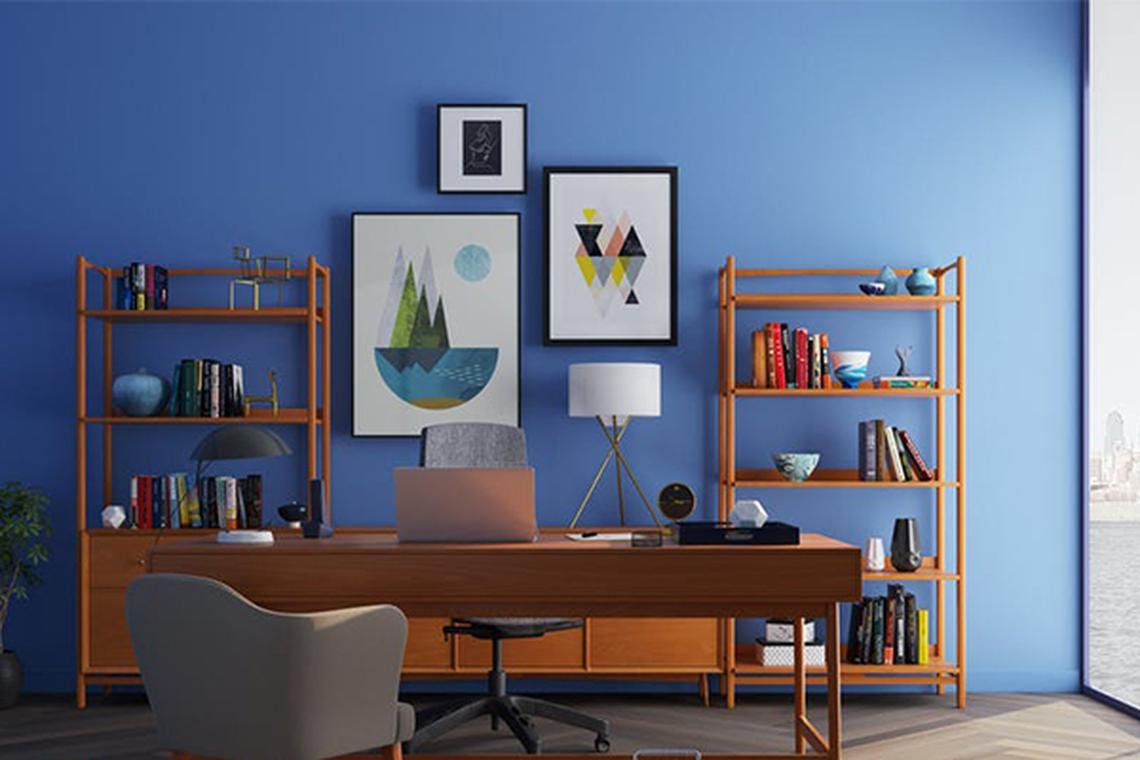
Choose one wall to paint a bold color. This adds energy without overwhelming the space.
| Color | Effect |
| Navy Blue | Creates focus and calm |
| Deep Green | Brings nature inside |
| Bright Red | Increases energy and creativity |
Pastel Palettes
Pastels are soft and soothing. They keep the room light and cheerful.
Try these pastel colors for a fresh look:
- Light pink for warmth
- Soft lavender for calm
- Mint green for freshness
Credit: www.livspace.com
Creating A Productive Atmosphere
Choosing the right paint colors can make your small home office more productive. The colors you pick affect your mood and focus. A well-painted space helps you work better and feel calm.
Using the right balance of colors can keep your energy steady. It also helps reduce distractions and keeps your mind clear. Let’s explore which colors boost focus and how to mix warm and cool tones.
Colors That Boost Focus
Colors like blue and green help you concentrate for longer times. These colors calm the mind and lower stress. Using soft shades of these colors works well in a small office.
Yellow adds a touch of energy and creativity. Use it in small amounts like on one wall or an accent area. Avoid very bright or dark colors that can make you tired or distracted.
- Blue improves calmness and focus
- Green reduces eye strain and refreshes
- Yellow sparks creativity in small doses
- Soft, muted colors work best for long work hours
Balancing Warm And Cool Tones
Warm tones like beige and soft orange add comfort and warmth. Cool tones like pale blue and gray create calm and clarity. Mixing these tones keeps your office inviting and focused.
Try painting three walls with cool tones and one wall with a warm tone. This balance helps keep your space fresh without feeling cold or too bright. Use warm tones in small spaces to avoid feeling cramped.
- Cool tones calm the mind and improve focus
- Warm tones add comfort and reduce stress
- Mix cool and warm tones for a balanced feel
- Use warm colors on smaller areas or accents
Maximizing Small Spaces
Small home offices need smart design to feel spacious and organized. Paint colors play a big role in making the room look bigger and inviting.
Choosing the right shades and contrasts can help separate work areas and add depth without crowding the space.
Light Colors For Openness
Light colors reflect more light and make a room feel open and airy. Soft shades like white, pale blue, or light gray can brighten small offices.
- Use white or cream on walls for a clean look.
- Choose light pastel colors to add a gentle touch.
- Paint the ceiling a lighter shade to increase height perception.
- Keep trim and moldings in soft colors to avoid harsh lines.
Using Contrasts To Define Areas
Contrasting colors help separate different parts of the office. Use darker paint or bold colors on one wall or around shelves to create focus zones.
| Area | Suggested Paint Color | Effect |
| Work Desk Wall | Deep Blue | Creates a calm and focused area |
| Storage Shelves | Warm Gray | Highlights storage without distraction |
| Reading Nook | Soft Green | Invites relaxation and comfort |
Credit: megcohomes.com
Creative Painting Techniques
Painting your small home office can change how you feel while working. Creative paint ideas make the space fun and fresh.
Try new painting styles to add character and brightness. These techniques work well even in small spaces.
Ombre And Gradient Effects
Ombre painting blends colors from dark to light. It gives walls a soft and smooth look. Gradient effects use more than two colors.
These effects add depth without making the room feel crowded. They can make your office look bigger and brighter.
- Choose colors that go well together
- Start with the darkest color at the bottom
- Blend colors smoothly for a natural look
- Use a sponge or brush for blending
Geometric Patterns
Geometric shapes like triangles and squares add style to walls. Patterns can be simple or complex depending on your taste.
They bring energy and focus to your office. Use painter’s tape to get clean lines and shapes.
- Pick two or three colors for contrast
- Plan your design on paper first
- Use tape to mark shapes on the wall
- Paint one shape at a time and let dry
Textured Finishes
Textured paint adds a tactile feel to your office walls. It can hide small wall flaws and look interesting.
Use sponges, brushes, or special rollers to create texture. Textured walls make your office unique and cozy.
- Try sponging for a soft, mottled look
- Use stippling with a stiff brush for rough texture
- Roll on texture with a thick nap roller
- Choose neutral colors to keep it calm
Incorporating Personal Style
Painting your small home office lets you show your personality. It creates a space where you feel happy and focused.
Choosing paint colors that match your style makes your office unique. This helps you enjoy your work more each day.
Color Matching With Decor
Pick paint colors that fit your furniture and decor. Matching colors create a balanced and calm workspace.
Use soft or neutral colors if your furniture is bright. Bold paint can work if your decor is simple.
- Match paint with your desk or chair colors
- Use wall colors that blend with curtains or rugs
- Choose tones that make the room feel larger or cozier
Highlighting Artwork And Accessories
Use paint to make your artwork and accessories stand out. A plain wall color helps art become the room’s focus.
Try painting one wall a different color to show off special pieces. Your favorite items will look more attractive.
- Pick a wall color that contrasts with your artwork
- Use lighter colors to brighten dark accessories
- Choose paint shades that match small decor items
Practical Tips For Painting
Creating a pleasant small home office can boost productivity. Painting your office can be a simple way to refresh the space. Here are some practical tips to help you get started.
Whether you are painting for the first time or refreshing a room, these tips will guide you through the process. Learn how to choose the right paint, prepare your space, and maintain your painted walls.
Choosing The Right Paint Type
The type of paint you choose matters. Different paints have different finishes and durability. Consider the function of your home office before picking a paint type.
- Matte finish:Good for hiding imperfections, but less durable.
- Semi-gloss:Durable and easy to clean, great for high-traffic areas.
- Eggshell:A balance of matte and gloss, with moderate durability.
Preparation And Tools
Proper preparation is key to a successful paint job. Gather all necessary tools and materials before starting. This will make the process smoother and quicker.
- Cover furniture and floors with drop cloths.
- Use painter’s tape to protect edges and corners.
- Have brushes, rollers, and trays ready for use.
- Ensure walls are clean and dry before painting.
Maintenance And Touch-ups
Regular maintenance keeps your home office looking fresh. Touch-ups are an easy way to fix small imperfections over time. It is important to keep leftover paint for future use.
- Clean walls gently with a damp cloth.
- Use a small brush for touch-ups on scratches or marks.
- Store leftover paint in a cool, dry place.

Credit: www.aol.com
Frequently Asked Questions
What Colors Make Small Home Offices Look Bigger?
Light and neutral colors like white, beige, and soft gray make small offices appear larger. They reflect more light, creating an open, airy feel. Pastel shades also add subtle color without overwhelming the space. Avoid dark colors that can shrink the room visually.
How To Choose Paint Colors For Small Home Offices?
Select colors that enhance natural light and suit your work style. Soft blues and greens promote calmness and focus. Bright accents can boost energy but use them sparingly. Test samples on walls before deciding to see how colors look throughout the day.
Can Bold Colors Work In Small Home Offices?
Yes, bold colors can add personality and energy if used as accent walls or decor. Balance them with neutral tones to avoid overwhelming the space. Bold colors work well for creative fields, inspiring motivation and creativity in a small office.
What Paint Finishes Suit Small Home Office Walls?
Matte or eggshell finishes reduce glare and hide imperfections, ideal for small office walls. Satin finishes offer a slight sheen and are easy to clean. Avoid high-gloss paints as they can reflect too much light and distract during work.
Conclusion
Choosing the right paint color can brighten your small home office space. Soft, light tones make the room feel larger and calm. Bold colors add personality but keep balance to avoid overwhelm. Remember to match paint with your furniture and lighting.
A fresh coat of paint can boost mood and focus. Try simple ideas first and adjust as you go. Your small office can become a cozy, productive spot. Paint smartly and enjoy your creative workspace every day.