Struggling to fit a home office into a small room? You’re not alone.
Creating a productive workspace in limited space can feel tricky, but it doesn’t have to be. Imagine turning your tiny room into a place where ideas flow freely and distractions fade away. You’ll discover simple, smart ideas that make the most of every inch.
Ready to transform your small room into a powerful home office? Let’s dive in and unlock the potential of your space.
Credit: www.hgtv.com
Space-saving Furniture
Small rooms need smart furniture to save space. Choosing the right pieces helps keep your home office neat.
Space-saving furniture fits well and makes the room feel bigger. It helps you work comfortably without clutter.
Compact Desks
Compact desks take up less floor space. They offer enough room for a laptop and some supplies.
Look for desks with slim profiles and clean lines. Some come with built-in shelves or drawers for extra storage.
- Wall-mounted desks save floor space
- Corner desks use unused room corners
- Desks with shelves keep items organized
Foldable Chairs
Foldable chairs are easy to store when not in use. They help keep your room open and less crowded.
Choose chairs that fold flat and are lightweight. Some have cushions for comfort during long work hours.
- Fold flat to fit behind doors or under desks
- Lightweight models are easy to move
- Some have padded seats for comfort
Multi-functional Pieces
Multi-functional furniture saves space by serving more than one purpose. This helps reduce the number of items in the room.
Examples include desks with storage, or ottomans that open for supplies. These pieces keep your office tidy and efficient.
- Desks with built-in drawers or shelves
- Storage ottomans for office supplies
- Fold-out tables that double as desks
Smart Storage Options
Creating a home office in a small room needs clever storage ideas. Smart storage keeps your space tidy and efficient.
Using vertical space, under-desk areas, and walls helps organize your office without taking much floor space.
Vertical Shelving
Vertical shelves use the height of your room to store books, files, and office supplies. They keep items within reach but off your desk.
- Install tall shelves near your desk.
- Use shelf dividers to separate items.
- Place decorative boxes for small objects.
- Choose open shelves for easy access.
Under-desk Storage
Under-desk storage helps hide clutter and frees up desk space. You can use drawers, rolling carts, or small cabinets.
| Storage Type | Advantages | Best Use |
| Drawer Units | Secure and hidden | Documents and stationery |
| Rolling Carts | Movable and flexible | Frequently used items |
| Small Cabinets | More space, lockable | Electronics and supplies |
Wall-mounted Organizers
Wall organizers keep your desk clear by holding notes, tools, and gadgets on the wall. They save space and improve workflow.
Try these wall-mounted options:
- Magnetic boards for reminders
- Pegboards with hooks for tools
- File holders for papers
- Small shelves for decor and supplies
Lighting Tips
Good lighting is key for a small home office. It helps reduce eye strain and keeps you focused.
Use a mix of light sources to make your workspace bright and cozy.
Natural Light Enhancement
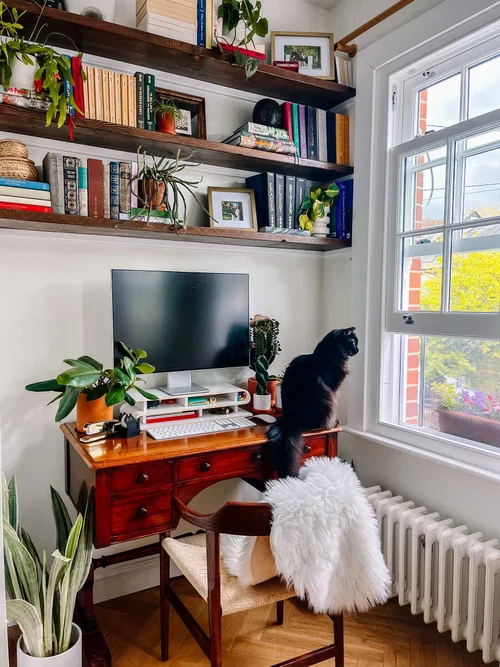
Natural light makes a small room feel bigger and more open. Place your desk near windows to get daylight.
Use light curtains to soften sunlight without blocking it. Avoid dark window treatments that reduce brightness.
- Position desk close to window for direct light
- Use sheer curtains to allow sunlight in
- Keep windows clean for maximum light
- Use mirrors to reflect light into darker corners
Task Lighting
Task lighting focuses light on your work area. It helps you see clearly while writing or using a computer.
Choose adjustable lamps to direct light where you need it most. LED desk lamps save space and energy.
- Use a desk lamp with adjustable arm
- Pick bulbs with soft white light to reduce glare
- Position lamp on the opposite side of your writing hand
- Try clip-on lamps for small desks
Ambient Light Fixtures
Ambient lighting fills the room with soft light. It creates a comfortable atmosphere for long work hours.
Use ceiling lights or wall sconces to brighten the entire space evenly. Avoid harsh overhead lights that cause shadows.
- Install dimmable ceiling lights for control
- Choose warm light bulbs for a cozy feel
- Wall sconces save floor space in small rooms
- Add LED strips under shelves for subtle glow
Color Schemes And Decor
Creating a home office in a small room can be fun and challenging. The right color schemes and decor can make your space feel bigger and more inviting.
Choose colors and decor that inspire productivity and calm. This will help you work better in your small office.
Light And Bright Colors
Light colors make a room feel larger and more open. They reflect light and create a sense of space.
White, beige, and pastel shades are great choices. They keep your office feeling airy and fresh.
- White walls brighten the space
- Pastel accents add a soft touch
- Beige tones create warmth
Minimalist Decor
Minimalist decor helps keep a small office tidy and efficient. Less clutter means more focus on work.
Choose simple furniture and clear surfaces. This makes your office feel organized and calm.
- Use sleek desks and chairs
- Keep only essential items visible
- Organize with storage solutions
Accent Walls
An accent wall can add character to your small office. It draws attention and adds depth.
Choose a bold color or pattern for one wall. This creates a focal point without overwhelming the space.
- Paint a wall in a bold color
- Use wallpaper with simple patterns
- Add a gallery of framed art
Tech Setup For Small Spaces
Designing a tech setup in a small room can be challenging. You need to maximize space and keep it organized.
Focus on using smart solutions to make the most of your area. Here are some ideas to help you create an efficient small room home office.
Wireless Devices
Wireless devices help reduce clutter in a small office. They are easy to move around and save space.
Consider using wireless keyboards and mice. They eliminate the need for extra cords on your desk.
- Wireless headphones
- Bluetooth speakers
- Wi-Fi printers
Cable Management
Cable management is essential in a small space. It keeps your office tidy and prevents tripping hazards.
Use cable organizers to group wires together. This keeps them out of sight and easy to manage.
- Cable clips
- Cable sleeves
- Under-desk trays
Compact Accessories
Compact accessories are ideal for small offices. They take up less room and provide more workspace.
Look for foldable or stackable items. These can be stored easily when not in use.
- Small desk lamps
- Portable laptop stands
- Mini desktop organizers
Credit: workwellremote.com
Ergonomic Considerations
Creating a home office in a small room requires smart ergonomic choices. Proper setup helps prevent discomfort and health issues.
Focus on chair, desk, and posture to make your workspace comfortable and productive.
Chair Selection
Choose a chair that supports your lower back and allows feet to rest flat on the floor. Adjustable height and armrests improve comfort.
Desk Height
| Desk Height | Recommended Position |
| Standard Desk | Elbows at 90 degrees |
| Standing Desk | Wrists straight, forearms parallel |
| Adjustable Desk | Change height to avoid strain |
Your desk height should keep your arms relaxed and wrists straight. Adjust as needed to reduce muscle strain.
Posture Tips
- Sit with your back straight and shoulders relaxed.
- Keep your feet flat on the floor or on a footrest.
- Position your monitor at eye level to avoid neck strain.
- Take breaks to stand and stretch every hour.
Creative Layout Ideas
Small rooms need smart planning to fit a home office well. Using creative layouts helps use space wisely.
Good design keeps your office neat and makes work easier. Try these ideas for your small room office.
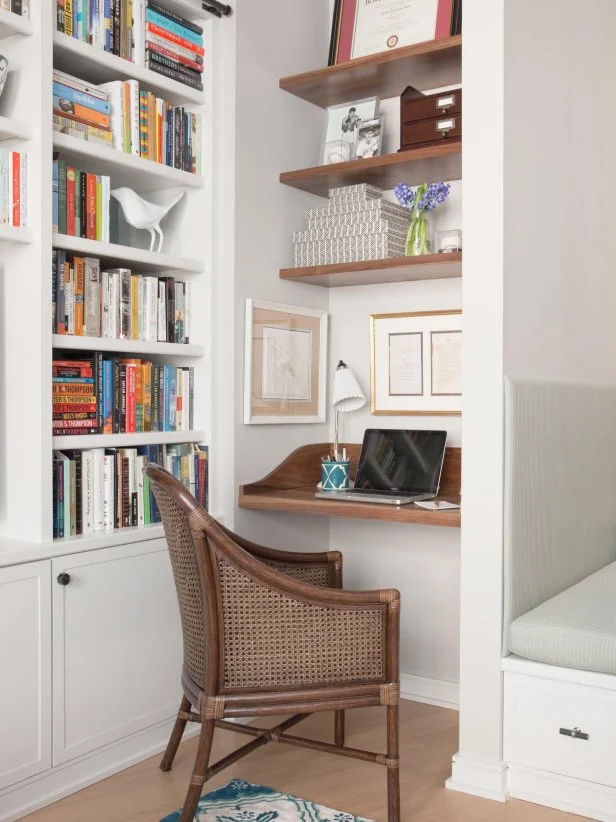
Corner Workstations
Corner workstations use space that is often empty. They give you a cozy spot to focus.
These desks fit snugly into corners, freeing up the rest of the room. They are perfect for small spaces.
- Choose L-shaped desks for more surface area.
- Add shelves above for extra storage.
- Use light colors to make the corner feel bigger.
Floating Desks
Floating desks attach to the wall without legs. They save floor space and look modern.
These desks make the room feel open and less crowded. You can add storage under the desk.
- Mount desks at a comfortable height.
- Use foldable floating desks to save space when not in use.
- Pair with wall shelves for supplies.
Room Dividers
Room dividers create a separate work area inside a small room. They add privacy and focus.
Use light or transparent dividers to keep the room bright. Dividers can also add style to your space.
- Try folding screens for flexible space division.
- Use bookcases as dividers for storage and separation.
- Glass or acrylic dividers keep light flowing.

Credit: www.hgtv.com
Frequently Asked Questions
How Can I Maximize Space In A Small Home Office?
Use vertical storage like shelves and wall-mounted organizers. Choose compact furniture with built-in storage. Keep the desk clutter-free to create an open feel. Use light colors and natural light to make the room look bigger.
What Are The Best Lighting Options For Small Offices?
Opt for bright, adjustable LED desk lamps. Use natural light whenever possible. Install wall sconces to save desk space. Avoid harsh overhead lights that create glare. Proper lighting reduces eye strain and boosts productivity.
Which Furniture Suits A Small Room Home Office?
Select a small desk with storage drawers. Choose ergonomic chairs that don’t take much space. Use foldable or wall-mounted desks if needed. Multi-functional furniture helps save space and keeps the area organized.
How To Organize Cables In A Small Office Room?
Use cable clips, ties, or sleeves to bundle wires. Attach power strips under the desk. Label cables for easy identification. Keep cords away from walkways to avoid tripping hazards and maintain a tidy workspace.
Conclusion
Small room home offices can be cozy and efficient. Use smart furniture to save space. Keep things tidy to stay focused. Bright lighting helps reduce eye strain. Personal touches make your office inviting. Choose colors that calm and inspire. A small space can boost productivity.
Creativity thrives in well-planned corners. Try different layouts to find what works. Your perfect home office is within reach.