Creating the perfect home office in a small space can be a real challenge. One of the most important yet often overlooked factors is lighting.
The right lighting can boost your focus, reduce eye strain, and make your workspace feel larger and more inviting. If you’ve been struggling to find bright ideas for your tiny office corner, you’re in the right place. Keep reading to discover simple, smart lighting solutions that will transform your small space into a productive and comfortable work haven.
Your eyes—and your work—will thank you.

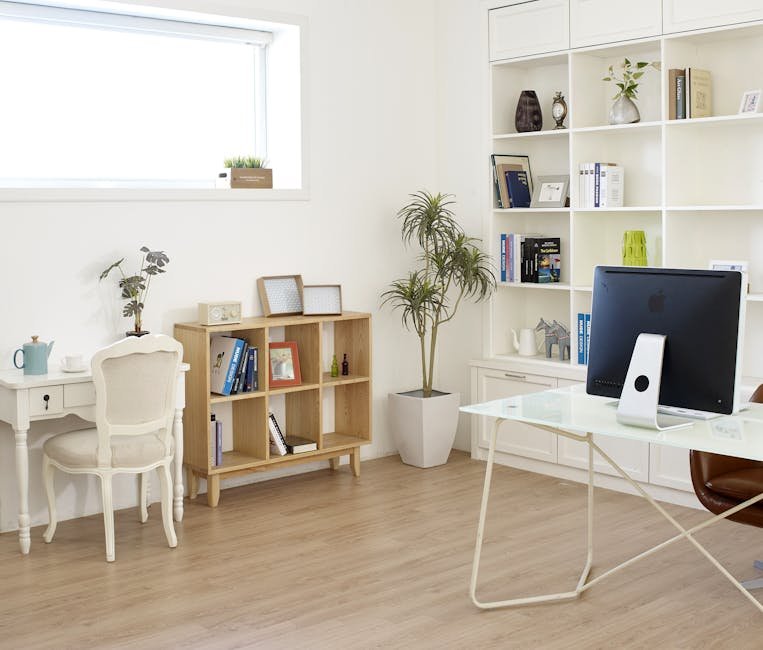
Credit: www.hgtv.com
Choosing The Right Lighting Types
Lighting is important in a small home office. The right lights help you work well and feel good.
There are different lighting types. Each has a special job to do in your space.
Task Lighting Essentials
Task lighting gives focused light for work. It helps you see details clearly.
Good task lights reduce eye strain and improve focus. Desk lamps are a great choice.
- Adjustable desk lamps for direct light
- Clip-on lights for small desks
- LED lights for bright, clear illumination
Ambient Lighting Options
Ambient lighting fills the whole room with soft light. It makes the space comfortable.
Use ceiling lights or wall sconces to create even light. Avoid harsh or dim spots.
- Flush mount ceiling lights save space
- Wall sconces add gentle brightness
- LED strips can brighten shelves or corners
Accent Lighting Benefits
Accent lighting highlights special areas or objects in your office. It adds style and interest.
Use small lights to brighten artwork or plants. It makes your office feel lively and cozy.
- Spotlights to focus on art or books
- LED puck lights for shelves
- String lights for a soft glow
Maximizing Natural Light
Natural light makes small home offices feel bigger and more inviting. It improves mood and helps you work better.
Using natural light well can reduce the need for artificial lights. It also saves energy and brightens your space.
Positioning Near Windows
Place your desk or workspace close to a window. This lets you get the most daylight while you work.
Make sure the window light does not cause glare on your screen. Adjust your position or the screen angle if needed.
Using Light Curtains
Light curtains soften strong sunlight without blocking it. They help spread light evenly in your room.
Choose curtains in white or pastel colors. These colors keep the room bright and airy while reducing harsh rays.
- Use sheer fabrics for gentle light flow
- Avoid heavy, dark curtains that block light
- Keep curtains clean to maintain brightness
Reflective Surfaces Tips
Mirrors and shiny surfaces bounce natural light around the room. This makes your office look larger and brighter.
Use light-colored furniture and accessories with reflective finishes. They help spread sunlight to darker corners.
- Place a mirror opposite or near the window
- Choose desks or shelves with glossy surfaces
- Use light paint colors on walls and ceilings
Compact Lighting Fixtures
Small home offices need smart lighting solutions. Compact lighting fixtures save space and add brightness.
These fixtures fit well in tight spots and improve your work area’s look and feel.
Wall-mounted Lights
Wall-mounted lights keep your desk clear by saving floor and table space. They shine light where you need it most.
Choose adjustable models to direct light exactly onto your work surface. They also add style to your room.
- Install above or beside your desk
- Use swivel arms for flexible lighting
- Pick LED bulbs for energy efficiency
Clip-on Lamps
Clip-on lamps attach easily to shelves, desks, or headboards. They are perfect for small spaces.
These lamps can be moved quickly to different spots. They offer focused light without taking up room.
- Great for task lighting
- Use LED bulbs for less heat
- Choose flexible necks for better light direction
Under-shelf Lighting
Under-shelf lights add bright, low-profile lighting. They keep your desktop free of lamps and cables.
These lights create even illumination and reduce shadows. They work well under shelves or cabinets.
- LED strips or puck lights fit small spaces
- Install with adhesive or screws
- Use dimmable options to control brightness

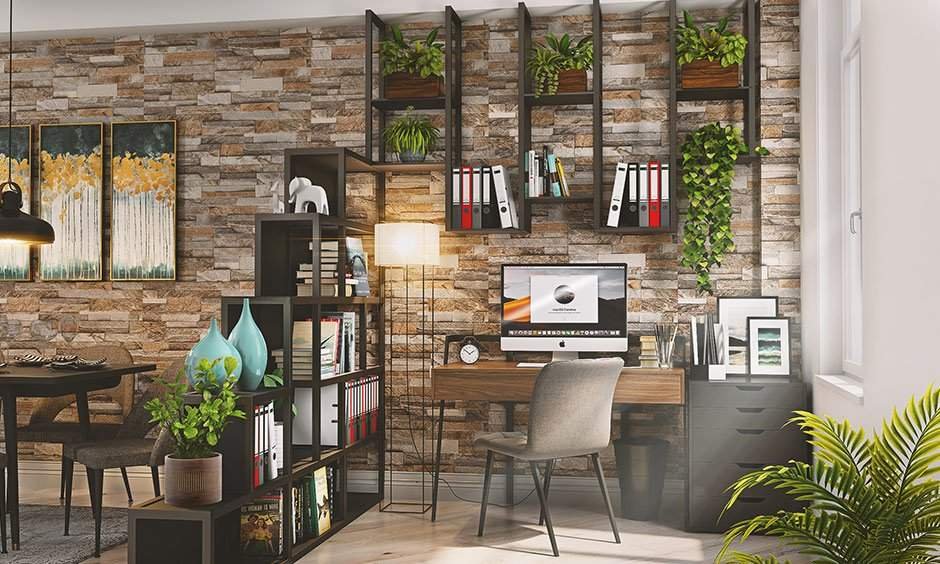
Credit: www.designcafe.com
Energy-efficient Solutions
Small space home offices need smart lighting to save energy. Good lighting helps you work well and lowers bills.
Using energy-efficient lights keeps your workspace bright without wasting power. Here are some top options to consider.
Led Bulbs Advantages
LED bulbs use less electricity than regular bulbs. They last longer and give clear light for your desk.
These bulbs stay cool and reduce heat in small rooms. You can find them in many shapes and colors.
- Save up to 80% energy compared to incandescent bulbs
- Last up to 25,000 hours or more
- Produce bright, focused light ideal for work
- Emit less heat, keeping the room cooler
- Available in dimmable options for comfort
Smart Lighting Controls
Smart controls let you adjust lights with a phone or voice. This helps save energy by using light only when needed.
You can set timers or motion sensors. Lights turn off automatically if you leave the room.
- Control brightness and color temperature remotely
- Set schedules to match your work hours
- Use motion sensors to avoid wasted light
- Integrate with other smart home devices
Solar-powered Options
Solar lights use energy from the sun. They charge during the day and provide light without extra power cost.
They are easy to install and good for rooms with windows. Solar options reduce your electricity use even more.
- Use natural sunlight to charge batteries
- Ideal near windows or sunlit areas
- Reduce electricity bills by using free energy
- Portable options available for flexible use
Creative Lighting Arrangements
Lighting is very important in a small home office. Good lighting helps you work better and feel comfortable.
Creative lighting arrangements can make your small office look bigger and more inviting. You can mix different lights to fit your needs.
Layered Lighting Techniques
Use several types of lighting in your office. Layered lighting means combining ambient, task, and accent lights.
This helps you see well and adds depth to your space. You can use ceiling lights, desk lamps, and wall sconces together.
- Ambient light for general brightness
- Task light for focused work
- Accent light to highlight features
Color Temperature Choices
Choose the right color temperature for your lighting. It affects how the room feels and how well you work.
Cool white light helps you stay alert. Warm light creates a cozy mood. Use a mix to balance comfort and focus.
- Cool light (4000K-5000K) for work areas
- Warm light (2700K-3000K) for relaxing corners
- Neutral light (3500K) for balanced spaces
Highlighting Decor Elements
Use lighting to show off art, plants, or shelves. Accent lights draw attention to your favorite items.
Spotlights or small lamps can add style and make the space feel personal and warm.
- Use LED spotlights for pictures
- Place small lamps near plants
- Light shelves with strip lights
Avoiding Common Lighting Mistakes
Lighting is very important for small home offices. Good lighting helps you work better and feel comfortable.
Many people make simple mistakes with lighting that cause problems. Avoiding these mistakes can improve your workspace.
Preventing Glare And Shadows
Glare and shadows make it hard to see your screen and work. They cause eye strain and reduce focus.
Place lights so they do not shine directly on your screen. Use shades or diffusers to soften light.
- Move desk lamps away from screens
- Use adjustable blinds on windows
- Choose lamps with soft, diffused light
- Position lights to the side, not behind
Balancing Brightness Levels
Too bright or too dim lights can cause discomfort. Keep your room evenly lit for best results.
Mix different types of light sources. Combine ambient light with task lighting for balance.
- Use overhead lights for general brightness
- Add desk lamps for focused tasks
- Adjust brightness with dimmers if possible
- Avoid harsh, direct lighting
Maintaining Eye Comfort
Eye comfort is key in a small office. Good lighting reduces tiredness and headaches.
Choose bulbs with warm light and avoid flickering. Take breaks to rest your eyes.
- Use LED bulbs with warm color temperature (2700K-3000K)
- Ensure lights do not flicker or buzz
- Set up your screen brightness to match room light
- Follow the 20-20-20 rule: look 20 feet away every 20 minutes for 20 seconds

Credit: www.hgtv.com
Frequently Asked Questions
What Are The Best Lights For Small Spaces?
For small spaces, opt for LED lights or compact fluorescent bulbs. These options save energy and provide ample brightness. Consider using wall sconces or floor lamps to maximize space. Adjustable desk lamps are also ideal for focused lighting without occupying much room.
Prioritize functionality and style to enhance your workspace.
How Can I Improve Lighting In A Small Office?
Enhance lighting by incorporating multiple light sources. Use a mix of ambient, task, and accent lighting. Position mirrors strategically to reflect light and create the illusion of space. Utilize desk lamps for focused work, and choose light colors for walls to make the area feel brighter.
What Is The Role Of Task Lighting?
Task lighting provides focused illumination for specific tasks like reading or writing. It’s essential for reducing eye strain and increasing productivity. Desk lamps or adjustable floor lamps are common task lighting solutions. Ensure the light source is directed towards the work area without causing shadows or glare.
How Do I Choose The Right Desk Lamp?
Select a desk lamp with adjustable features for flexibility. Ensure it provides adequate brightness for tasks. Consider LED lamps for energy efficiency and long-lasting illumination. The lamp’s style should complement your office decor. Look for features like dimming options to adjust light levels as needed.
Conclusion
Good lighting can change how your small home office feels. Bright, soft light helps you focus and stay alert. Use desk lamps, string lights, or natural light to create a cozy space. Try different options until you find what works best.
A well-lit office makes work easier and more pleasant. Remember, small changes can bring big improvements to your workspace. Keep your setup simple, bright, and comfortable every day.