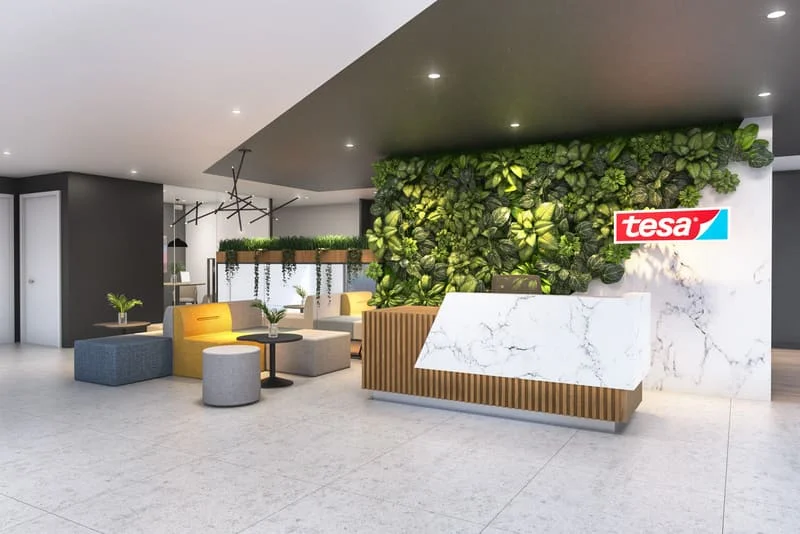
Are you looking to create a workspace that feels good and does good? Sustainable commercial furniture offers a smart way to make your office eco-friendly without sacrificing style or comfort.
Imagine furniture that not only supports your daily work but also helps protect the planet. You’ll discover how choosing sustainable options can boost your brand, save money, and create a healthier environment for everyone. Keep reading to find out how your next furniture choice can make a big impact.
Credit: apexfurniture.asia
Benefits Of Sustainable Furniture
Sustainable commercial furniture helps reduce harm to the environment. It uses materials that can be reused or recycled. This choice supports a cleaner planet.
Choosing sustainable furniture also promotes a healthier workspace. It improves air quality and supports well-being for employees and visitors.
Environmental Impact
Sustainable furniture lowers waste and uses fewer natural resources. It often comes from certified wood or recycled materials. This reduces deforestation and pollution.
- Uses renewable or recycled materials
- Reduces landfill waste
- Minimizes carbon footprint during production
- Supports responsible forest management
Health And Wellbeing
Sustainable furniture avoids harmful chemicals and toxins. This means better air quality inside offices. It helps reduce allergies and respiratory problems.
| Feature | Benefit |
| Low-VOC finishes | Improves indoor air quality |
| Natural materials | Reduces exposure to toxins |
| Ergonomic design | Supports comfort and posture |
Cost Savings Over Time
Sustainable furniture lasts longer than cheap alternatives. It needs less repair and replacement. This saves money in the long run.
- Durable materials lower replacement costs
- Energy-efficient production reduces expenses
- Furniture can be refurbished or recycled
- Higher resale value compared to standard furniture
Materials That Matter
Sustainable commercial furniture uses materials that reduce harm to the environment. Choosing the right materials helps save resources and keeps indoor air clean.
This guide covers recycled and reclaimed wood, low-VOC finishes, and eco-friendly fabrics. These choices support greener offices and public spaces.
Recycled And Reclaimed Wood
Recycled and reclaimed wood gives new life to old materials. It lowers the demand for new trees and reduces waste in landfills.
- Recycled wood comes from leftover scraps and sawdust.
- Reclaimed wood is taken from old buildings or furniture.
- Both types keep forests healthier by cutting down fewer trees.
- They add unique character with natural textures and colors.
Low-voc Finishes
Low-VOC finishes use fewer volatile organic compounds. These chemicals can cause bad smells and harm indoor air quality.
| Finish Type | VOC Level | Benefits |
| Water-based | Low | Less odor, safer for health |
| Natural oils | Very low | Non-toxic, enhances wood grain |
| Shellac | Low | Fast drying, biodegradable |
Eco-friendly Fabrics
Eco-friendly fabrics use sustainable fibers and dyes. They reduce water use and chemical pollution in production.
Common eco-friendly fabric options include:
- Organic cotton, grown without harmful pesticides
- Hemp, which needs little water and grows fast
- Recycled polyester, made from plastic bottles
- Linen, made from flax plants with low environmental impact
Designing A Green Workspace
Sustainable commercial furniture helps reduce waste and saves energy. It creates a healthy work environment for everyone.
Designing a green workspace means choosing furniture that is good for the planet and comfortable to use.
Ergonomic And Sustainable Choices
Ergonomic furniture supports good posture and reduces strain. Sustainable materials lower the impact on nature.
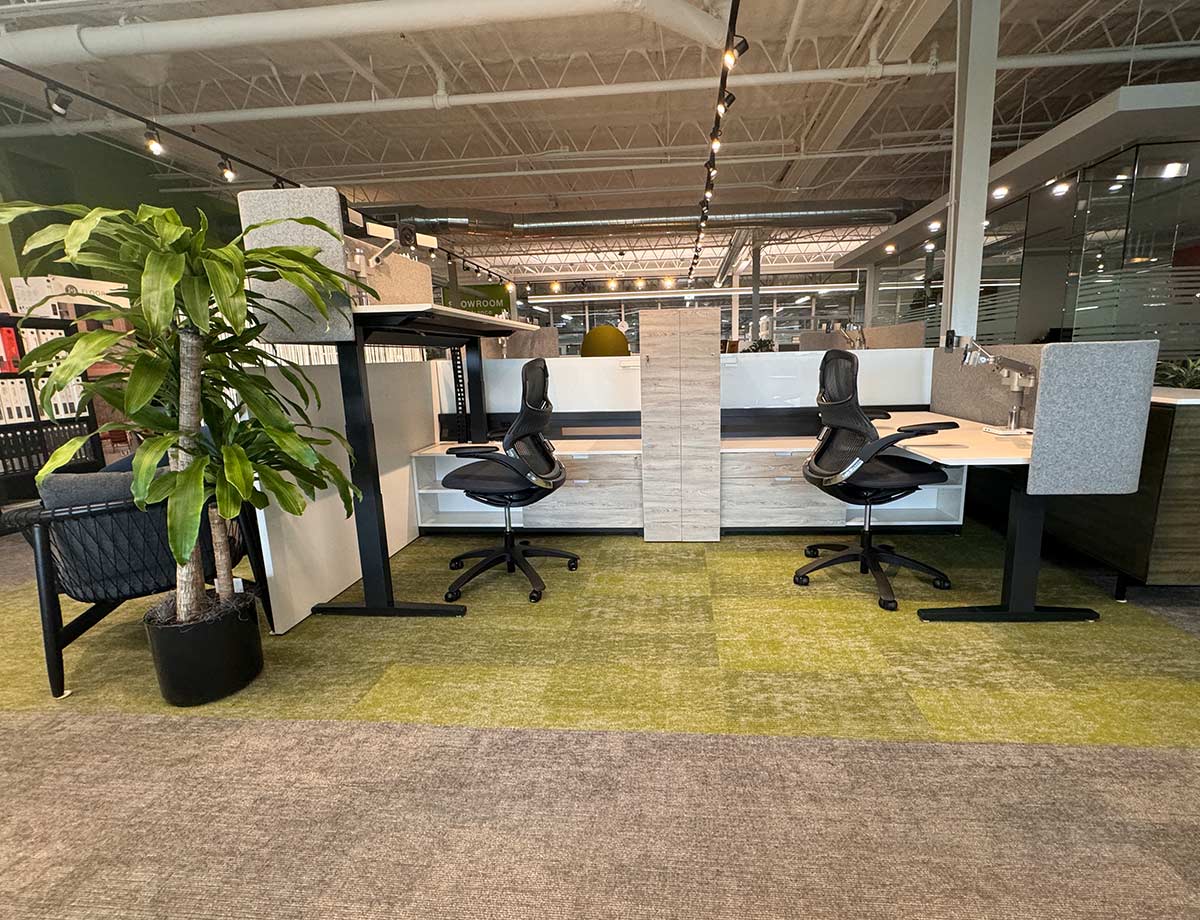
Look for chairs and desks made from recycled or renewable materials. These options protect the environment and keep workers healthy.
- Adjustable chairs with natural fabric covers
- Desks made from reclaimed wood or bamboo
- Non-toxic finishes and adhesives
- Furniture designed for long-term use
Modular And Flexible Furniture
Modular furniture can change to fit different needs. It helps reduce waste by adapting to new office layouts.
Flexible designs make it easy to add or remove parts without buying new furniture. This saves money and resources.
- Desks that can be resized or joined together
- Storage units with removable shelves
- Seating that can be moved or stacked
- Furniture with interchangeable parts
Incorporating Natural Elements
Natural elements make workspaces feel fresh and calm. They improve air quality and reduce stress.
Use plants, natural light, and wood textures to bring nature inside. This supports well-being and productivity.
- Indoor plants that clean the air
- Large windows or skylights for daylight
- Wooden furniture with natural finishes
- Stone or cork accents for texture
Certifications To Look For
Choosing sustainable commercial furniture means checking for trusted certifications. These marks show that the products meet high environmental and health standards.
Certifications help buyers find furniture that is safe, eco-friendly, and responsibly made. Here are some important ones to know.
Fsc And Leed
The Forest Stewardship Council (FSC) certifies wood products from well-managed forests. This means the wood is harvested responsibly and supports forest health.
LEED stands for Leadership in Energy and Environmental Design. It is a rating system for buildings and products that promote sustainability and energy savings.
- FSC:Checks if wood comes from legal and sustainable forests.
- LEED:Encourages use of eco-friendly materials and energy-efficient designs.
- Both certifications help reduce environmental impact in commercial spaces.
Greenguard
GREENGUARD certification means furniture has low chemical emissions. It helps keep indoor air clean and healthy for workers and visitors.
This certification tests products for volatile organic compounds (VOCs) that can harm air quality and health.
- Ensures furniture releases few or no harmful chemicals.
- Supports safer indoor environments.
- Commonly used for office furniture and building materials.
Bifma Level
BIFMA LEVEL is a sustainability certification for commercial furniture. It looks at environmental, social, and health impacts during production.
The LEVEL system scores furniture on material use, energy, and corporate responsibility.
- Evaluates product lifecycle from design to disposal.
- Supports transparency and responsible manufacturing.
- Helps buyers choose verified sustainable furniture.
Choosing The Right Supplier
Choosing a supplier for sustainable commercial furniture is important. The right choice supports your green goals and business needs.
Look for suppliers that match your values in sustainability and quality. This helps you make a better long-term decision.
Sustainability Policies
Check if the supplier has clear sustainability policies. These policies show their commitment to the environment and society.
- Use of eco-friendly materials
- Waste reduction practices
- Energy-efficient production methods
- Fair labor and ethical sourcing
Local Vs Global Sourcing
Decide if you want local or global sourcing. Each has pros and cons for sustainability and cost.
| Sourcing Type | Benefits | Challenges |
| Local | Lower transport emissions, supports local economy | Limited product variety, possibly higher cost |
| Global | Wide product range, often lower prices | Higher carbon footprint, complex supply chains |
Customer Reviews And Case Studies
Read customer reviews and case studies. They show real experiences with the supplier’s products and service.
Look for feedback on:
- Product quality and durability
- Delivery times and reliability
- Customer service and support
- How well the furniture meets sustainability claims
Credit: www.conklinoffice.com
Maintaining Sustainable Furniture
Maintaining sustainable furniture is vital for a healthier planet. By taking care of your pieces, you ensure they last longer and reduce waste.
Here, we explore methods to clean, repair, and extend the life of your eco-friendly furniture.
Cleaning With Eco-friendly Products
Eco-friendly products are safe for both your furniture and the environment. They minimize harmful chemicals and are often biodegradable.
- Use vinegar and water for cleaning surfaces.
- Opt for biodegradable soaps for upholstery.
- Choose natural oils like olive oil for polishing wood.
Repair And Upcycling Tips
Repairing your furniture can give it a new life. Upcycling adds creativity and value, transforming old pieces into something unique.
Extending Furniture Lifespan
To extend the lifespan of your furniture, regular maintenance is key. Keep your pieces in top condition with simple practices.
| Maintenance Task | Frequency |
| Tighten screws | Monthly |
| Dust surfaces | Weekly |
| Oil wood | Quarterly |
Future Trends In Sustainable Furniture
Sustainable furniture is growing in popularity. Many people want eco-friendly options for their homes and offices. Designers are finding new ways to make furniture that is good for the planet.
These trends include smart furniture, biodegradable materials, and circular economy models. Each trend brings its own benefits and challenges.
Smart And Connected Furniture
Smart furniture is becoming a part of everyday life. It connects to the internet and makes spaces more efficient.
- Chairs that adjust to your posture automatically
- Desks with built-in chargers for devices
- Tables that track your usage to suggest improvements
Biodegradable Materials
Furniture made from biodegradable materials breaks down easily. This means less waste in landfills.
Examples include:
- Bamboo, which grows quickly and is very strong
- Cork, which is harvested without harming the tree
- Recycled plastics turned into durable furniture
Circular Economy Models
The circular economy focuses on reusing materials. Furniture is designed to be easily repaired or recycled.
| Model | Benefit |
| Reuse | Extends product life |
| Repair | Reduces need for new materials |
| Recycle | Lowers environmental impact |

Credit: jebgroup.com
Frequently Asked Questions
What Defines Sustainable Commercial Furniture?
Sustainable commercial furniture uses eco-friendly materials and processes. It minimizes environmental impact and supports long-term resource conservation. This furniture promotes durability, recyclability, and responsible sourcing, making it ideal for green workplaces.
How Does Sustainable Furniture Benefit Businesses?
Sustainable furniture improves brand image and reduces waste. It enhances employee well-being by creating healthier workspaces. Additionally, it lowers long-term costs through durability and reduces environmental footprint.
Which Materials Are Common In Sustainable Furniture?
Common materials include reclaimed wood, recycled metal, bamboo, and non-toxic finishes. These materials reduce deforestation, pollution, and chemical exposure, promoting eco-conscious production.
Can Sustainable Furniture Be Stylish And Functional?
Yes, sustainable furniture combines aesthetics with practicality. Designers use modern techniques to create attractive, durable pieces that meet commercial needs without compromising sustainability.
Conclusion
Choosing sustainable commercial furniture helps protect our planet. It saves resources and reduces waste. Businesses show care for the environment and their customers. Quality pieces last longer and often cost less over time. Small changes in furniture choices create a big impact.
Think about the future when selecting office or store furniture. Sustainability is not just a trend; it’s a smart step forward. Every eco-friendly choice matters. Start with simple, green furniture options today. Your space, your planet—both benefit together.