Are you ready to transform your living space into a haven that feels both calm and stylish? Transitional Minimalist Decor is the perfect way to blend simplicity with warmth, giving your home a fresh, inviting look without overwhelming your senses.
Imagine a space where clean lines meet cozy touches, where every item has a purpose, and where clutter simply disappears. If you want a home that reflects both modern elegance and timeless comfort, keep reading. This guide will show you how to create a balance that feels just right for you and your lifestyle.
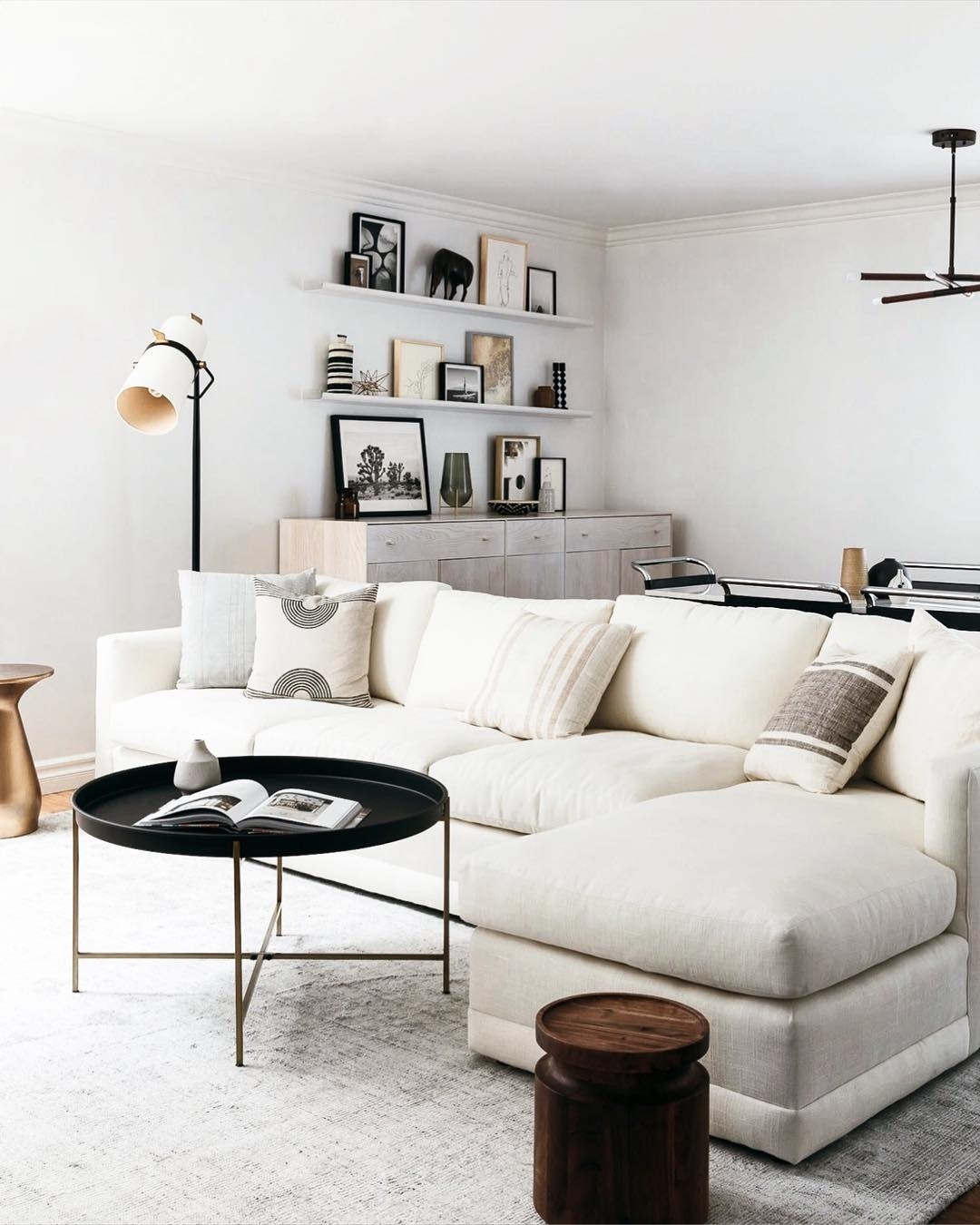
Credit: www.extraspace.com
Key Elements Of Transitional Minimalism
Transitional minimalism blends modern and traditional styles. It creates calm and simple spaces that feel warm and inviting.
This style uses clean lines and soft colors. It focuses on function and beauty without clutter.
Balancing Modern And Traditional
Transitional minimalist decor mixes modern shapes with classic details. This balance keeps rooms fresh and timeless.
It pairs sleek furniture with subtle traditional touches like crown molding or wood finishes. This mix creates harmony.
Neutral Color Palettes
Neutral colors form the base of transitional minimalism. Shades like beige, gray, and white make spaces calm.
These colors help blend modern and classic elements. They also keep rooms feeling open and light.
- Soft whites and creams
- Light grays and taupes
- Warm browns and beiges
Simple Yet Functional Furniture
Furniture in transitional minimalism is clean and practical. It avoids extra decoration but still looks elegant.
Pieces often have straight lines and smooth surfaces. They provide comfort and serve daily needs without clutter.
- Sleek sofas with neutral fabric
- Wood tables with simple shapes
- Storage that hides items out of sight
Choosing The Right Materials
Choosing the right materials is key in transitional minimalist decor. It helps create a calm and balanced space.
Focus on textures and finishes that add warmth without clutter. This guides your material choices well.
Natural Textures And Finishes
Natural textures bring life to a minimalist room. Use wood, stone, or woven fibers for a soft touch.
- Wood with a matte finish adds warmth and depth.
- Stone surfaces give a clean, solid feel.
- Woven baskets or rugs add texture without noise.
- Choose muted tones to keep the look simple.
Mixing Metals And Woods
Mixing metals and woods adds interest. Use metals like brass or black steel with light or dark woods.
| Material | Effect |
| Brass and Light Wood | Warm and inviting |
| Black Steel and Dark Wood | Bold and modern |
| Chrome and Medium Wood | Clean and sleek |
Soft Fabrics And Minimal Patterns
Soft fabrics make a room cozy. Choose simple patterns or solid colors to keep calm.
- Linen and cotton fabrics work well for curtains and cushions.
- Use stripes or small dots if you want a pattern.
- Avoid large prints that break the minimalist look.
- Neutral colors like beige, gray, or soft white fit best.
Creating Open And Airy Spaces
Transitional minimalist decor blends simple design with warm touches. It helps create spaces that feel open and airy.
By focusing on light, space, and clean lines, you can make any room feel fresh and inviting.
Maximizing Natural Light
Natural light makes rooms look bigger and more welcoming. Use sheer curtains to let light in while keeping privacy.
Keep windows clean and avoid blocking them with heavy furniture or dark drapes. Mirrors also help reflect light around the room.
Decluttering Techniques
Clear spaces feel more open and calm. Remove items you do not use or need often. Store things out of sight to keep surfaces clean.
- Sort items into keep, donate, or discard piles
- Use storage boxes to organize small items
- Limit decorations to a few key pieces
- Regularly clean and tidy each room
Strategic Furniture Placement
Arrange furniture to allow easy movement and open sight lines. Avoid blocking windows or doorways with large pieces.
| Furniture Type | Placement Tip |
| Sofa | Place away from walls to create flow |
| Dining Table | Keep near windows for natural light |
| Storage Units | Use vertical space to save floor area |

Credit: medium.com
Incorporating Statement Pieces
Statement pieces add personality to transitional minimalist decor. They create focus without cluttering the space.
Choosing the right items helps balance simplicity with style. This guide explores key categories for bold accents.
Artwork And Sculptures
Artwork and sculptures bring character to a minimalist room. Select pieces with simple shapes and neutral colors.
- Large abstract paintings with muted tones
- Metal or stone sculptures with clean lines
- Framed black-and-white photography
- Wall-mounted art that complements furniture
Unique Lighting Fixtures
Lighting can serve as a functional art piece. Choose fixtures that add visual interest without overwhelming.
| Fixture Type | Style | Material |
| Pendant Lamp | Geometric | Brushed Metal |
| Floor Lamp | Minimalist Arc | Matte Black |
| Wall Sconce | Abstract Shape | Frosted Glass |
Accent Furniture
Accent furniture offers bold color or form in a simple room. It can stand alone or complement other pieces.
- Velvet armchair in jewel tones
- Minimalist coffee table with wood grain
- Single sculptural side table
- Bold-patterned ottoman for contrast
Practical Tips For Maintenance
Transitional minimalist decor blends simple style with comfort. Keeping it clean and fresh helps it look great.
Use easy habits to keep your home neat and inviting every day.
Keeping Surfaces Clear
Clear surfaces make your space feel open and calm. Avoid clutter on tables and counters.
Keep only a few useful or decorative items on surfaces. Store other things out of sight.
- Limit items on coffee tables and shelves
- Use trays to group small objects neatly
- Put away items after use
Regular Cleaning Routines
Clean your home often to keep it fresh and tidy. Dust and dirt show easily in simple spaces.
Make a schedule to dust, vacuum, and wipe surfaces weekly. This stops buildup and keeps things bright.
- Dust shelves, furniture, and decor
- Vacuum floors and rugs regularly
- Wipe down kitchen and bathroom counters
- Clean windows to let in natural light
Updating Accessories Seasonally
Change small decorations with the seasons to keep your home feeling fresh. Swap pillows, throws, or art.
Choose simple, neutral items that match your style. Rotate them to add subtle color or texture.
- Replace pillow covers with seasonal colors
- Add a light throw in spring or summer
- Use natural elements like plants or branches
- Switch wall art or small decor pieces
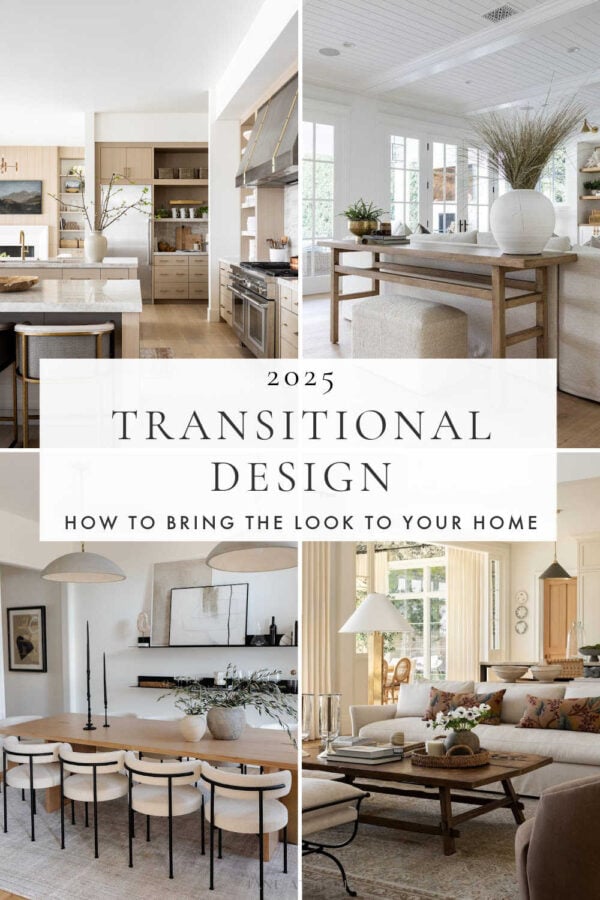
Credit: jane-athome.com
Transitional Minimalism In Different Rooms
Transitional minimalism blends modern simplicity with classic elements. It creates a timeless and relaxing home environment. Each room can reflect this style with simple changes.
Incorporating minimalism into your decor can make your spaces feel open and airy. Here are some tips for different rooms.
Living Room Essentials
The living room should be inviting and functional. Choose furniture with clean lines and neutral tones. This helps create a calm and welcoming atmosphere.
Use a few key pieces to avoid clutter. A simple sofa, a coffee table, and a lamp can make the space feel complete.
- Neutral-colored sofa
- Wooden coffee table
- Simple floor lamp
- Minimalist wall art
Bedroom Calm And Comfort
The bedroom is a place to relax and recharge. Choose a comfortable bed with soft linens. Keep the color palette light and soothing.
Limit the number of decorations. A few well-placed items can add personality without overwhelming the space.
- Soft, neutral bedding
- Simple nightstand
- Calm lighting options
- Minimalist artwork
Kitchen Simplicity
The kitchen should be functional and easy to clean. Opt for sleek cabinets and simple countertops. This ensures a tidy and organized appearance.
Store appliances out of sight when possible. This keeps the space looking uncluttered and fresh.
- Sleek cabinets
- Minimalist countertops
- Hidden appliance storage
- Simple dishware and utensils
Frequently Asked Questions
What Is Transitional Minimalist Decor Style?
Transitional minimalist decor blends modern simplicity with classic elegance. It balances clean lines and neutral tones with warm textures and timeless furniture. This style creates a cozy yet uncluttered living space that feels both inviting and sophisticated.
How To Choose Colors For Transitional Minimalist Decor?
Opt for neutral shades like beige, gray, and white as the base. Add soft accent colors such as muted blues or greens for warmth. These tones maintain simplicity while adding subtle depth and interest to the room.
Which Furniture Suits Transitional Minimalist Decor Best?
Choose furniture with clean, simple lines and minimal ornamentation. Incorporate classic shapes made from natural materials like wood or leather. This combination supports a balanced look that is both modern and timeless.
How To Add Texture In Transitional Minimalist Decor?
Use soft fabrics like linen or cotton for cushions and throws. Include rugs with subtle patterns and natural fibers. Textured elements add warmth and depth without overwhelming the minimalist aesthetic.
Conclusion
Transitional minimalist decor blends simplicity with classic style. It creates calm, open spaces that feel warm and inviting. You can mix modern pieces with traditional touches easily. This style suits many homes and tastes. Try adding neutral colors and clean lines for balance.
Small details make a big difference in this look. Enjoy a home that feels fresh, neat, and comfortable. It’s a smart way to update your space without clutter. Give transitional minimalist decor a chance to change your home’s feel.