Are you struggling to find the perfect spot for your wall art? You’re not alone.
Placing art on your walls might seem simple, but the right placement can completely transform the look and feel of your space. Imagine walking into a room where every piece of art catches your eye just right—balanced, inviting, and full of personality.
You’ll discover easy, practical tips that help you hang your wall art with confidence and style. Get ready to turn your walls into stunning focal points that truly reflect you. Keep reading to unlock the secrets of perfect wall art placement!
Choosing The Right Wall
Picking the right wall is key for showing off your wall art. It helps your art look its best.
Think about the wall’s size, location, and how it fits with your room. This makes a big difference.
Focal Wall Selection
Choose a wall that naturally draws attention. This could be the wall you see first when entering.
A focal wall often has fewer distractions and more open space. It lets your art be the star.
- Walls behind sofas or beds work well
- Walls facing the main door catch the eye
- A blank wall with no windows is a good choice
Balancing Empty Spaces
Look for walls with enough empty space around them. Too crowded walls make art look small.
Leave space above and around the art. This balance helps the artwork stand out nicely.
- Measure the wall before choosing art size
- Keep at least 6 to 12 inches of space around art
- Use smaller art for narrow or limited walls
Considering Wall Color And Texture
Wall color affects how your art looks. Light walls show colors clearly, dark walls add drama.
Texture also matters. Smooth walls work best for flat art. Rough walls may hide details.
- Choose contrasting colors between wall and art
- Match art style with wall texture
- Paint walls neutral if unsure about color choices
Sizing And Scale
Choosing the right size for your wall art makes your space feel balanced. Art that is too small or too large can look awkward.
Understanding scale helps you place art that fits the room and wall perfectly.
Matching Art Size To Wall Space
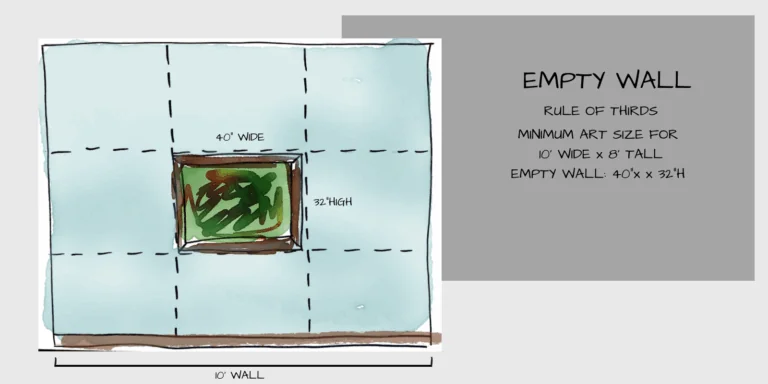
Pick art that fills the wall but leaves some empty space around. This keeps the art from looking cramped or lost.
- Measure the wall area before buying art.
- Choose art that covers about 60-75% of the wall space.
- Leave at least 6-12 inches of clear space around the art.
Grouping Small Pieces
Small art pieces look great when grouped together. Grouping creates a bigger visual impact.
| Tip | Why It Helps |
|---|---|
| Arrange pieces close but not touching | Keeps the group neat and balanced |
| Use similar frames or colors | Makes the group look like one set |
| Plan layout on the floor first | Find the best arrangement before hanging |
Large Statement Pieces
Big art pieces grab attention and set the tone of a room. They need enough wall space to shine.
Tips for large pieces:
- Center the piece on the wall or above furniture.
- Keep wall space clear around the art for focus.
- Match the height of the art with nearby furniture height.
Height And Alignment
Choosing the right height and alignment is key to displaying wall art beautifully. Proper placement helps the artwork connect with the room’s style.
Focus on how the eye meets the art and how it balances with furniture and other pieces. These tips make your walls look well-designed.
Eye-level Positioning
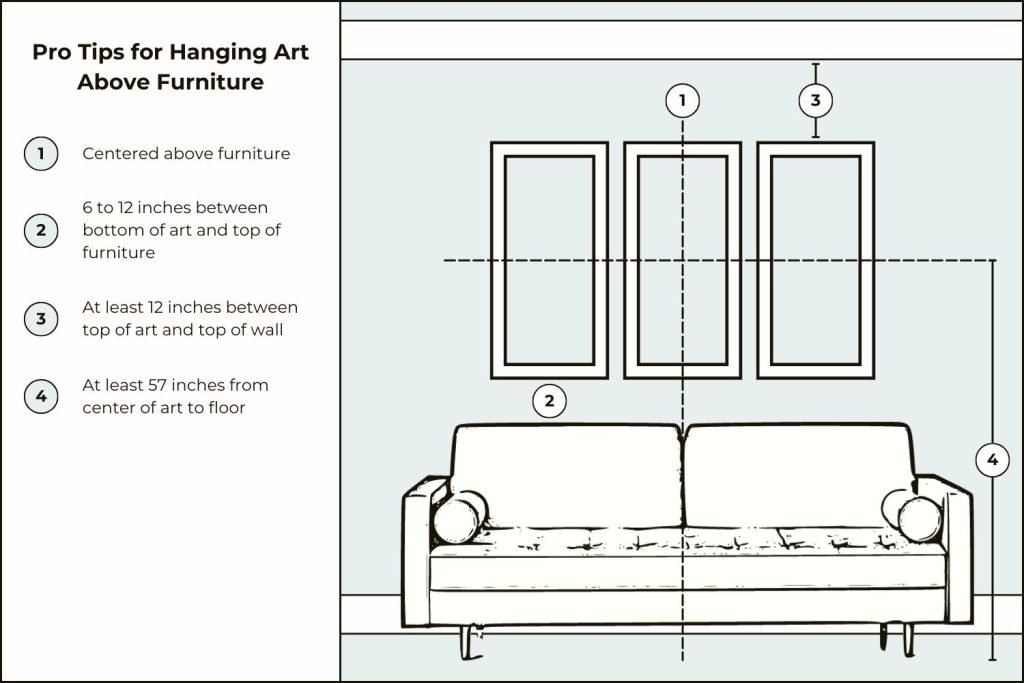
Hang art so the center is at eye level. This is usually about 57 to 60 inches from the floor. This makes viewing comfortable for most people.
Keep the height consistent for a clean look, especially in hallways or galleries. Avoid placing art too high or too low.
Centering Above Furniture
Place art centered above furniture like sofas or consoles. This ties the art to the room and creates balance.
- Leave 6 to 12 inches between the top of the furniture and the bottom of the art.
- Make sure the art is not wider than the furniture below it.
- Use a level to keep the art straight and aligned.
Using Grids And Symmetry
Grids and symmetry help arrange multiple pieces neatly. This method suits collections and creates a strong visual impact.
| Tip | How to Apply |
| Equal spacing | Keep the same distance between frames for balance |
| Align tops or centers | Match the top edges or centers of all artworks |
| Use a measuring tape | Measure carefully before hanging to ensure symmetry |
Credit: www.revelryinteriordesign.com
Mixing Art Styles
Mixing art styles adds character and life to your walls. It can make your space more interesting and unique.
Choosing the right way to combine different styles helps keep your room balanced and beautiful.
Combining Modern And Classic
Modern art is simple and sleek. Classic art is detailed and rich. Mixing them can create a fresh look.
Try pairing a bold modern piece with a traditional frame. This contrast brings harmony to your display.
Incorporating Textures And Materials
Texture and material add depth to your wall art. Use a mix of smooth, rough, and soft surfaces for interest.
- Wood frames for warmth and natural feel
- Metal frames for sleek and modern touch
- Canvas art for soft texture
- Glass or acrylic for shine and gloss
Mixing textures keeps the eye moving and creates a rich, layered look.
Balancing Colors And Themes
| Color Approach | Description | Example |
|---|---|---|
| Match Base Colors | Use a shared color in different art pieces | Blue tones in modern and classic paintings |
| Contrast Colors | Pair opposite colors for bold effect | Yellow with purple or blue with orange |
| Theme Unity | Choose art that shares a subject or mood | Nature scenes or abstract shapes |
Balancing colors and themes helps your wall art look planned and pleasing.
Lighting For Impact
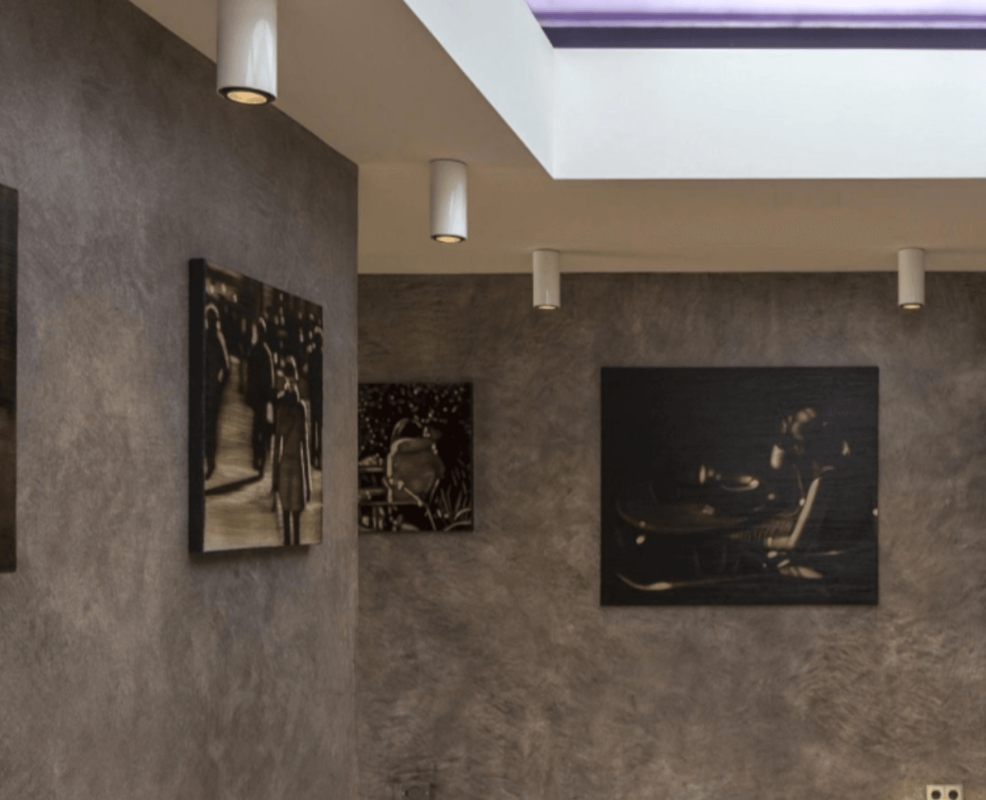
Good lighting can make your wall art stand out. It highlights details and creates the right mood in a room.
Choosing the right light helps your artwork look its best. It also protects the art from damage over time.
Natural Light Considerations
Natural light brings out true colors in your art. Place art near windows but avoid direct sunlight.
Too much sun can fade colors and damage the artwork. Use curtains or blinds to soften the light.
- Keep art out of direct sunlight
- Use sheer curtains to diffuse light
- Rotate art to avoid long sun exposure
Spotlights And Picture Lights
Spotlights and picture lights focus light on your art. They create drama and highlight details.
Choose lights with adjustable arms. This lets you change the angle and coverage as needed.
- Use LED bulbs to avoid heat damage
- Position lights about 30 inches from the art
- Adjust brightness to avoid overpowering the room
Avoiding Glare And Shadows
Glare makes it hard to see your art clearly. Shadows can hide parts of the artwork.
Place lights at an angle to reduce glare. Check from different spots in the room to spot shadows.
- Use diffusers or shades on lights
- Test lighting from multiple seating areas
- Adjust light position to balance brightness
Credit: bat.com.np
Creative Arrangements
Arranging wall art can transform your space. A creative arrangement reflects your style. It also adds character to your home.
Explore different layouts to find what works best. Mixing styles and sizes creates interest. Let’s dive into some tips for creative arrangements.
Gallery Wall Ideas
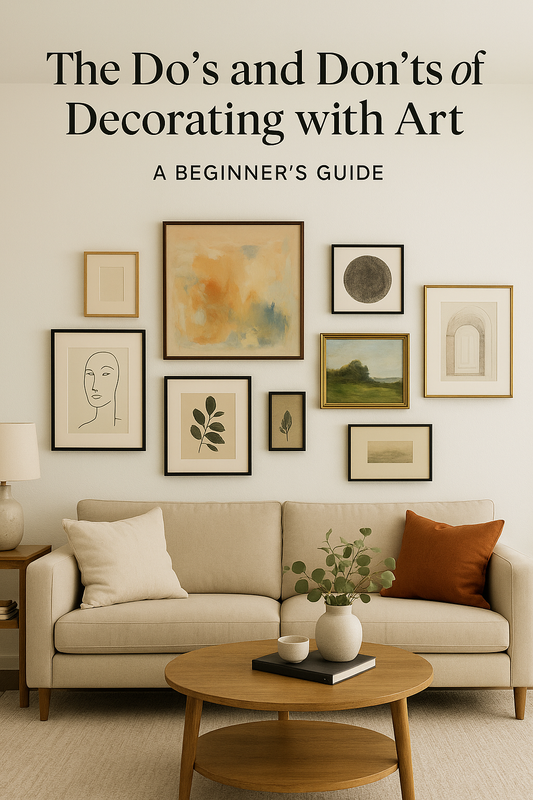
Gallery walls are a fun way to display art. They allow you to showcase a collection. Use different frames and art sizes.
Think about themes or color schemes. Arrange them on the floor first. This helps you visualize the final look.
- Mix photos with paintings for variety
- Use a common color for a cohesive look
- Include personal touches like family photos
Layering And Overlapping
Layering adds depth to your wall art. Overlapping pieces can create a 3D effect. This technique works well in larger spaces.
Use frames of different depths. Place larger pieces behind smaller ones. This creates a layered look.
| Consider these tips for layering: |
| Try different frame thicknesses |
| Use shelves to add depth |
| Experiment with textures like wood and metal |
Using Shelves And Ledges
Shelves and ledges offer flexibility. You can easily swap art pieces. They allow for dynamic displays.
Choose shelves that fit your wall size. Place art in layers on the ledge. This way, you can change the look as often as you like.
- Use adjustable shelves for different heights
- Mix framed art with small sculptures
- Keep some space for new additions
Practical Hanging Tips
Placing wall art can change the look of a room. Hanging it correctly is important. These tips will help you hang your pieces safely and effectively.
Learn how to choose hardware, secure heavy art, and protect your walls from damage. Simple tips can make a big difference.
Choosing The Right Hardware
Choosing the right hardware is key for safe hanging. Different art pieces need different hooks or nails. Make sure you pick the right one for your piece.
- Use picture hooks for light frames.
- Pick anchors for heavy pieces.
- Consider adhesive strips for small art.
Securing Heavy Pieces
Heavy art needs extra care. Secure them well to avoid accidents. Properly installed hardware ensures safety.
Find the studs in your wall. Use them to support your heavy frames. This gives more strength and stability.
Avoiding Wall Damage
Protecting your walls is important. Avoid making unnecessary holes. Use suitable methods to hang your art without causing damage.
Adhesive strips are great for light art. They can hold without leaving marks. For heavier pieces, choose hardware that minimizes impact on the wall.

Credit: jasperandjute.co.za
Frequently Asked Questions
How High Should I Hang Wall Art?
Hang wall art at eye level, about 57-60 inches from the floor. This height suits most rooms and viewers. It creates a balanced and visually appealing look. Adjust slightly for furniture height below the art.
What Size Wall Art Fits Above A Sofa?
Choose wall art that is 60-75% the width of your sofa. This proportion maintains balance and prevents the art from overpowering the space. Larger pieces work well for a bold statement; smaller ones can be grouped.
How To Arrange Multiple Wall Art Pieces?
Arrange multiple pieces with 2-5 inches of space between them. Create a cohesive layout by aligning edges or centering around a focal point. Use paper templates on the wall to plan before hanging.
Can Wall Art Placement Affect Room Mood?
Yes, wall art placement impacts room atmosphere. Centered and well-lit art creates focus and harmony. Groupings add energy and interest. Placement near seating encourages conversation and relaxation.
Conclusion
Choosing the right spot for wall art can change your room’s feel. Keep your art at eye level for the best view. Group pieces closely to create a strong visual impact. Use different shapes and sizes to add interest and balance.
Trust your eyes and adjust until it feels right. With these tips, your walls will tell your story clearly. Enjoy decorating and making your space truly yours.