
Imagine walking into your living room after a long day and instantly feeling calm and cozy. That’s the magic of warm ambient lighting.
It’s not just about seeing clearly—it’s about creating a space where you want to relax, connect, and recharge. If you want your living room to feel inviting and comfortable every time you step inside, understanding how to use warm ambient lighting is key.
You’ll discover simple tips and ideas to transform your space into a warm, welcoming retreat you’ll love coming home to.
Benefits Of Warm Ambient Lighting
Warm ambient lighting creates a soft and inviting glow in the living room. It uses gentle light tones that make the space feel comfortable and welcoming.
This type of lighting helps to set a calm mood and improves the overall look of the room. It is perfect for relaxing and spending quality time.
Creates Cozy Atmosphere
Warm ambient lighting makes the living room feel cozy and inviting. It adds a sense of warmth that helps people feel at home.
The soft light reduces harsh shadows and bright spots. This creates a smooth, even glow that comforts the eyes.
- Soft light tones mimic natural sunset colors
- Reduces glare and sharp contrasts
- Invites people to relax and stay longer
Enhances Room Aesthetics
Warm ambient lighting highlights the colors and textures in the living room. It makes furniture and decorations look more attractive.
This lighting style adds depth and character to the space. It helps create a balanced and harmonious design.
- Shows off wood tones and warm fabrics
- Softens the edges of objects and walls
- Creates inviting shadows for visual interest
Improves Relaxation
Warm ambient lighting supports relaxation by lowering stress levels. It signals the brain to unwind and prepare for rest.
This kind of light is less stimulating than bright white lights. It helps people feel calm after a busy day.
- Reduces eye strain and headaches
- Promotes a peaceful and quiet mood
- Encourages slower breathing and heart rate

Credit: www.reddit.com
Choosing The Right Light Sources
Warm ambient lighting creates a cozy feel in your living room. Choosing the right light sources affects the room’s comfort and style.
Consider the type of bulbs and lighting features to match your space and needs. This guide covers key options to help you decide.
Led Vs Incandescent Bulbs
LED bulbs use less energy and last longer than incandescent bulbs. They also come in warm tones that suit living rooms well.
| Feature | LED Bulbs | Incandescent Bulbs |
| Energy Use | Low | High |
| Lifespan | Up to 25,000 hours | About 1,000 hours |
| Light Quality | Warm to cool tones | Warm, soft glow |
| Cost | Higher upfront | Lower upfront |
| Heat Emission | Low | High |
Smart Lighting Options
Smart lights adjust brightness and color with apps or voice commands. They help set the perfect mood in your living room.
- Control lights remotely
- Schedule lighting changes
- Sync with music or TV
- Choose from many color options
Accent And Task Lights
Accent lights highlight artwork or plants. Task lights help with reading or hobbies. Both add layers to your lighting design.
Types of Accent and Task Lights:
- Table lamps with warm bulbs for cozy reading corners
- Wall sconces to add soft background light
- Floor lamps with adjustable heads for focused light
- Spotlights to emphasize decor pieces
Placement Tips For Living Room
Warm ambient lighting creates a cozy atmosphere in your living room. Proper placement enhances comfort and style.
Learn how to position lights to highlight your living space beautifully. Follow these guidelines to achieve a perfect balance.
Layering Light Sources
Mixing different light sources adds depth and interest. Use a combination of lamps, ceiling lights, and wall sconces.
- Table lamps for reading nooks
- Floor lamps for corners
- Wall sconces for accent walls
Highlighting Key Areas
Focus on areas where you spend most of your time. Illuminate spaces such as seating areas and art displays.
| Area | Recommended Light |
| Seating Area | Overhead Fixture |
| Art Display | Spotlight |
| Reading Nook | Table Lamp |
Avoiding Harsh Shadows
Soft lighting prevents harsh shadows, creating a more inviting space. Use diffusers and lampshades for softer light.
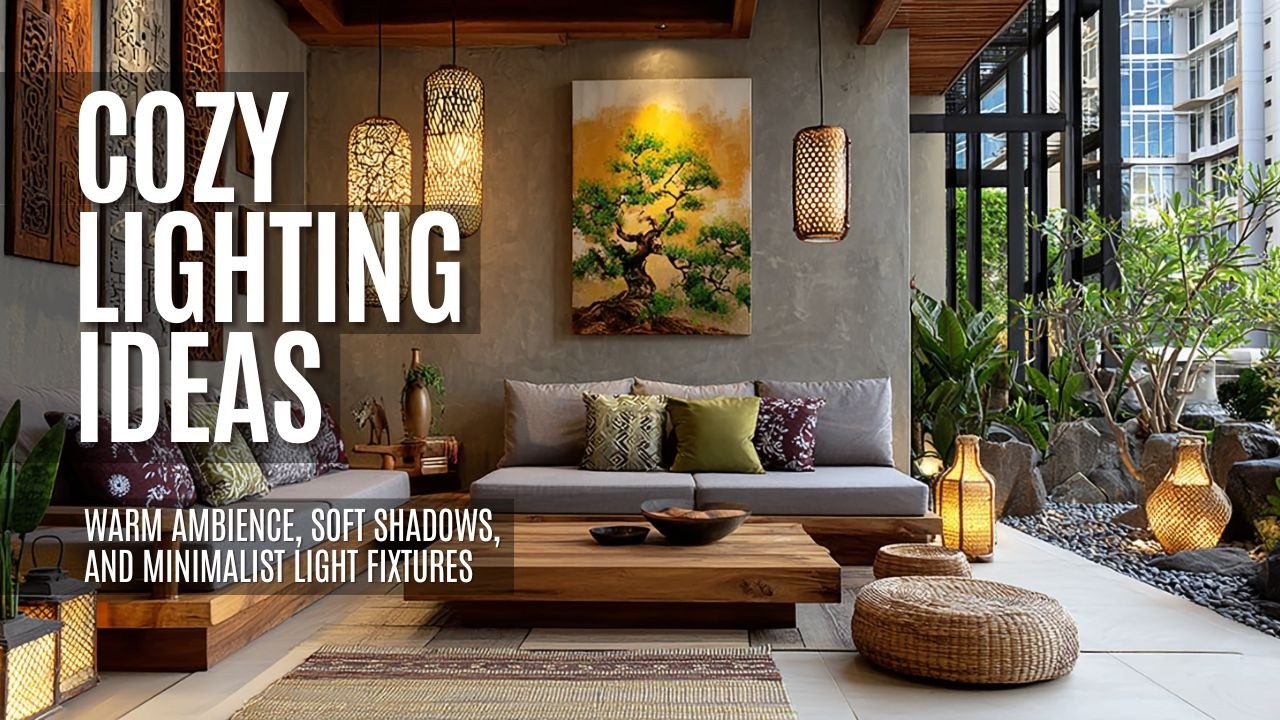
Credit: www.youtube.com
Color Temperature And Brightness
Warm ambient lighting creates a cozy and inviting living room. It uses soft colors and gentle brightness. This lighting helps people relax and enjoy their space.
Choosing the right color temperature and brightness is key. These factors change the mood and feel of your living room.
Ideal Warm Light Range
The best warm light has a color temperature between 2700K and 3000K. This range looks like natural sunset light. It makes the room feel calm and comfortable.
Lights outside this range may feel too cold or too yellow. Staying in this warm range helps you enjoy the room longer.
- 2700K to 3000K is soft, warm white light
- Below 2700K may look too orange
- Above 3000K starts to feel cool or harsh
Adjusting Brightness Levels
Brightness controls how much light fills the room. Lower brightness creates a relaxed mood. Higher brightness is good for tasks like reading.
Adjust brightness to fit the time of day and activity. Use softer light at night and brighter light in the afternoon.
- Low brightness for quiet, calm moments
- Medium brightness for general use
- High brightness for work or reading
Dimmers And Controls
Dimmers let you change light brightness easily. They help set the right mood without changing bulbs. Many dimmers work with warm LED lights.
Smart controls add convenience. You can adjust light using a remote or phone. This makes it simple to change lighting for any moment.
- Use dimmers to change light smoothly
- Choose dimmers compatible with warm LED bulbs
- Smart controls offer remote lighting adjustment
Decor Ideas With Warm Lighting
Warm ambient lighting creates a cozy and inviting living room. It helps make the space feel comfortable and relaxing.
Using warm lighting in your decor adds soft light that enhances the room’s mood. It works well with different styles and colors.
Using Lamps And Lanterns
Lamps and lanterns give warm light that brightens corners and adds charm. Choose lamps with soft yellow bulbs for a gentle glow.
Place lanterns on shelves or tables to create small pools of light. They add a decorative touch and make the room feel warm.
- Table lamps with fabric shades soften light
- Floor lamps bring height and warmth
- Lanterns add texture and style
- Use dimmers to control light levels
Incorporating Warm Tones
Warm tones like amber, gold, and soft orange make light feel cozy. Use these colors in bulbs or lamp shades to enhance warmth.
Paint walls or add decor in warm colors to reflect light nicely. These tones work well with warm lighting to create a soft look.
- Choose warm light bulbs with low Kelvin (2700K to 3000K)
- Use curtains or rugs in warm shades
- Decorate with cushions in amber or rust colors
- Pick artwork with warm color palettes
Complementing Furniture Styles
Warm lighting pairs well with wood and natural materials. Furniture with warm finishes looks inviting under soft light.
Mix warm lighting with cozy furniture styles like rustic, farmhouse, or mid-century modern. It makes the space feel balanced and pleasant.
- Wood furniture with warm tones enhances light
- Soft fabrics like velvet or wool add comfort
- Rounded shapes soften the room’s look
- Neutral furniture helps warm light stand out
Energy Efficiency Tips
Warm ambient lighting makes your living room cozy and inviting. Using energy-efficient lighting saves money and helps the environment.
Try simple ways to reduce power use without losing comfort. These tips will guide you to smart lighting choices.
Choosing Low-wattage Bulbs
Low-wattage bulbs use less electricity but still give good light. LED bulbs are a great choice for warm light and low energy use.
Pick bulbs with a warm color temperature to keep the cozy feel. Look for bulbs labeled as energy-saving or LED.
- Use LED bulbs with 7-9 watts instead of 40-watt incandescent bulbs
- Choose bulbs with warm white light (2700K to 3000K)
- Check the bulb’s lumens to get the right brightness
Utilizing Timers And Sensors
Timers turn lights off automatically to save energy. Sensors detect when a room is empty and switch lights off.
Using these devices reduces wasted electricity. They keep your living room lit only when needed.
- Install timers to limit how long lights stay on
- Use motion sensors in less-used areas of the living room
- Set sensors to adjust sensitivity for comfort and savings
Maintaining Fixtures
Clean light fixtures regularly to keep brightness high. Dust and dirt reduce light output and cause bulbs to work harder.
Replace old or broken fixtures with energy-efficient models. Well-maintained fixtures improve lighting and save power.
- Wipe fixtures with a soft cloth every month
- Check bulbs and replace any that flicker or dim
- Upgrade to fixtures designed for LED bulbs

Credit: www.onedollarstock.com
Frequently Asked Questions
What Is Warm Ambient Lighting In Living Rooms?
Warm ambient lighting uses soft, yellowish light to create a cozy atmosphere. It enhances comfort and relaxation in living spaces.
How To Choose Warm Light Bulbs For Living Rooms?
Select bulbs with a color temperature between 2700K and 3000K. These provide a gentle, inviting glow ideal for living rooms.
What Fixtures Work Best For Warm Ambient Lighting?
Use lampshades, dimmable LED bulbs, and wall sconces. These fixtures diffuse light softly, adding warmth to the room.
Can Warm Ambient Lighting Improve Living Room Mood?
Yes, it promotes relaxation and reduces stress. Warm lighting creates a welcoming environment perfect for unwinding.
Conclusion
Warm ambient lighting creates a cozy and inviting living room space. It softens harsh shadows and sets a calm mood. Choose bulbs with warm tones for comfort. Use lamps and dimmers to control light levels easily. This lighting style helps everyone relax and enjoy the room more.
Small changes can bring big comfort. Try adding warm lights today and feel the difference. Your living room will feel friendlier and more welcoming. Simple, soft light makes a big impact.
