
Your home office should be a place where you feel focused, comfortable, and inspired. But finding the right design ideas can be tricky.
What if your workspace could boost your creativity and productivity every single day? You’ll discover simple and practical office design ideas for your home that make working enjoyable and stress-free. Ready to transform your space into a powerful tool for success?
Keep reading—you won’t want to miss these tips.
Choosing The Right Location
Setting up a home office starts with choosing the best spot. The right location helps you work better and stay focused.
Think about noise, light, and space. These factors make a big difference in your daily work comfort.
Quiet Corners
Pick a quiet corner away from noise and distractions. This helps you concentrate on tasks without interruption.
A quiet space lowers stress and improves your focus. Try to use rooms with doors you can close.
Natural Light Benefits
Choose a spot near windows to get natural light. Sunlight brightens your mood and boosts energy levels.
Natural light reduces eye strain and helps you stay alert. Avoid direct glare by using curtains or blinds.
Space Optimization
Use space wisely to keep your office neat and organized. A clutter-free area helps you work faster and cleaner.
- Choose a location with enough room for your desk and storage
- Use vertical space with shelves to save floor area
- Keep frequently used items close to avoid distractions
Ergonomic Furniture Choices
Choosing ergonomic furniture helps create a healthy home office. It reduces pain and improves comfort during work.
Good furniture supports your body and keeps you focused. It makes long hours easier to handle.
Comfortable Chairs
Comfortable chairs support your back and promote good posture. They prevent strain and pain while sitting.
Look for chairs with adjustable height and lumbar support. Soft padding and breathable fabric add comfort.
- Adjustable seat height for proper leg positioning
- Lumbar support to keep the lower back aligned
- Armrests to reduce shoulder tension
- Breathable material to stay cool
Adjustable Desks
Adjustable desks let you change your work position. You can switch between sitting and standing easily.
This flexibility helps reduce fatigue and improves blood flow. It also encourages better posture throughout the day.
- Height adjustability for sitting or standing
- Enough surface space for your work tools
- Stable design to prevent wobbling
- Easy controls for quick adjustments
Proper Monitor Placement
Place your monitor at eye level to avoid neck strain. The screen should be about an arm’s length away.
Keep the top of the screen at or slightly below your eyes. This helps maintain a natural head position.
- Screen height aligned with your eyes
- Distance about 20-30 inches from your face
- Monitor directly in front of you
- Use a stand or adjustable arm if needed
Color Schemes For Focus
Choosing the right colors for your office can help improve focus. Colors affect mood and energy. Using calm or bright colors creates different work vibes.
This guide shows how to use colors to boost concentration and comfort in your workspace.
Calming Tones
Soft colors like light blues and greens help reduce stress. These tones create a peaceful environment. They are perfect for jobs that need long hours of focus.
Use pastel shades on walls or furniture. Avoid bright colors in this scheme to keep the calm feeling.
Energizing Accents
Bright colors add energy and help keep you alert. Use reds, oranges, or yellows in small amounts. These colors work well for accents like chairs or wall art.
- Red boosts attention and excitement
- Orange encourages creativity
- Yellow adds a cheerful, bright touch
- Use accents to avoid overwhelming the space
Personalized Palettes
Choose colors that match your personality and work style. Mixing calming tones with energizing accents can create balance.
| Color | Effect | Usage |
| Blue | Calms and focuses | Walls, desks |
| Yellow | Brightens mood | Accessories, lamps |
| Green | Reduces eye strain | Plants, cushions |
| Orange | Stimulates creativity | Artwork, chairs |
Incorporating Greenery
Adding plants to your home office can improve your mood and productivity. Greenery brings a touch of nature inside, making the space more pleasant.
Plants can also purify the air, making your work environment healthier. Choosing the right plants is key for maintaining a vibrant office space.
Air-purifying Plants
Some plants are known for their ability to clean the air. They remove toxins and improve the overall air quality in your home office.
- Spider Plant: Removes formaldehyde and other pollutants
- Peace Lily: Good for removing ammonia and benzene
- Boston Fern: Effective at removing formaldehyde
Low-maintenance Options
Not everyone has a green thumb, but that’s okay. Some plants require very little attention and are perfect for busy people.
- Succulents: Need very little water and thrive in sunlight
- ZZ Plant: Survives in low light and needs infrequent watering
- Pothos: Grows well in various lighting conditions
Plant Placement Tips
Where you place your plants can affect their growth and your workspace vibe. Consider light and space when deciding on placement.
- Place plants near windows for natural light
- Use shelves to maximize vertical space
- Keep plants away from direct drafts and heat sources
Smart Storage Solutions
Creating an efficient home office starts with smart storage. You need to keep your workspace tidy for better focus.
With the right solutions, you can maximize space and minimize clutter. Let’s explore some strategies.
Declutter Strategies
Decluttering is essential for a neat office. Start by removing items you don’t use.
- Sort papers into keep, recycle, and shred piles.
- Donate unused office supplies.
- Use digital storage for documents.
Multi-functional Furniture
Furniture that serves multiple purposes saves space. It also adds functionality to your office.
Consider a desk with built-in drawers. It can store supplies and paperwork neatly.
Organizational Tools
Organizational tools help keep everything in its place. They make finding items faster and easier.
| Tool | Purpose |
| File Folders | Organize documents |
| Label Maker | Identify items quickly |
| Drawer Dividers | Separate small items |
Tech Integration
Integrating technology in your home office boosts productivity and comfort. Smart devices help keep your workspace organized and efficient.
Good tech setup supports your work style and reduces clutter. It also makes daily tasks easier and faster.
Cable Management
Managing cables keeps your office tidy and safe. It prevents wires from tangling and makes cleaning easier.
Use clips, sleeves, or trays to group cables together. Label cords to find them quickly when needed.
- Use cable clips to hold wires on the desk
- Group cables with sleeves or ties
- Label each cable for easy identification
- Use under-desk trays to hide cables
- Keep power strips off the floor
Essential Gadgets
Choose gadgets that help you work faster and stay organized. These tools improve your comfort and focus.
Common gadgets include monitors, keyboards, and ergonomic mice. Adding smart assistants can help manage tasks hands-free.
- High-resolution monitor for clear display
- Ergonomic keyboard and mouse for comfort
- Desk lamp with adjustable brightness
- Smart speaker or assistant for voice commands
- External hard drive for extra storage
Wireless Setups
Wireless devices reduce clutter and increase flexibility. They allow you to move freely around your workspace.
Use wireless keyboards, mice, and chargers to cut down on cables. Make sure your Wi-Fi is strong for smooth connections.
- Wireless keyboard and mouse for less cable mess
- Wireless charging pads for phones and gadgets
- Bluetooth headphones for clear sound
- Stable Wi-Fi router for fast internet
- Wireless printers to avoid cords
Personal Touches
Adding personal touches to your office makes it feel welcoming and unique. These touches reflect your personality and style. They create a space where you enjoy spending time.
Small details can change the mood and boost your creativity. Use artwork, inspirational items, and comfort objects to shape your ideal office environment.
Artwork And Decor
Artwork adds color and character to your office walls. Choose pieces that inspire or relax you. Decor items like plants, rugs, or sculptures bring life and texture.
- Hang paintings or prints that show your interests
- Use shelves to display small collectibles
- Add plants to freshen the air and brighten the room
- Choose decor that fits your office’s color scheme
Inspirational Elements
Inspirational elements keep you motivated through the workday. Place quotes, vision boards, or goal lists where you see them often. These reminders help focus your energy.
| Item | Purpose |
| Motivational Quotes | Encourage positive thinking |
| Vision Boards | Visualize goals and dreams |
| Goal Lists | Track progress and tasks |
| Photos of Loved Ones | Provide comfort and inspiration |
Comfort Items
Comfort items make your office cozy and relaxing. They help reduce stress and increase productivity. Include things that make you feel calm and happy.
Try adding these comfort items:
- Soft cushions or a cozy throw blanket
- A small diffuser with your favorite scent
- Ergonomic chair or footrest for support
- A warm cup of tea or coffee nearby

Credit: www.designcafe.com
Lighting Techniques
Good lighting makes a home office comfortable and productive. It helps reduce eye strain and keeps you focused.
Different lighting types work together to create a balanced workspace. Using the right lights can improve your mood.
Task Lighting
Task lighting focuses light on your work area. It helps you see details clearly while reading or writing.
Desk lamps and under-cabinet lights are good examples. They provide bright, direct light without causing glare.
- Use adjustable desk lamps for focused light
- Place task lights to avoid shadows
- Choose bulbs with a cool white color for clarity
Ambient Lighting
Ambient lighting fills the whole room with soft light. It creates a comfortable and inviting space.
Ceiling lights and wall sconces provide this type of light. It helps reduce contrast between bright and dark areas.
- Use warm white bulbs for a cozy feel
- Consider dimmable lights to adjust brightness
- Combine natural light with artificial sources
Adjustable Fixtures
Adjustable fixtures let you change the light direction and intensity. This adds flexibility to your workspace.
Examples include swing-arm lamps and track lighting. They help you control light based on your needs.
- Choose fixtures with adjustable arms or heads
- Use dimmers to control light levels
- Position lights to avoid glare on screens
Creating Zones
Designing your office with clear zones helps boost focus and comfort. Each area should serve a different purpose. This makes the space more organized and easy to use.
Think about separating work tasks from relaxation or meetings. This way, you can switch moods easily and stay productive throughout the day.
Work And Relax Areas
Create distinct spaces for working and relaxing. Use desks and chairs for work zones. Add soft seating or lounge chairs for relaxation spots. This helps your mind know when to focus and when to rest.
- Work area: desks, task lighting, storage
- Relax area: comfortable chairs, plants, soft lighting
- Keep zones apart to reduce distractions
- Use rugs or screens to mark boundaries
Meeting Corners
Meeting corners should be cozy yet functional. Use small tables and chairs that encourage conversation. Make sure the area has good lighting and minimal noise.
| Feature | Purpose | Tip |
| Small table | Hold devices and notes | Choose round shapes to save space |
| Comfortable chairs | Encourage longer discussions | Use cushions for extra comfort |
| Good lighting | Improve focus and mood | Natural light is best if possible |
Creative Nooks
Creative nooks inspire new ideas and problem solving. Add colorful decor, whiteboards, or pinboards to spark creativity. Keep these areas informal and inviting.
Creative Nook Essentials
- Bright colors on walls or cushions
- Writable surfaces like chalkboards or whiteboards
- Flexible seating such as bean bags or stools
- Good natural or adjustable lighting
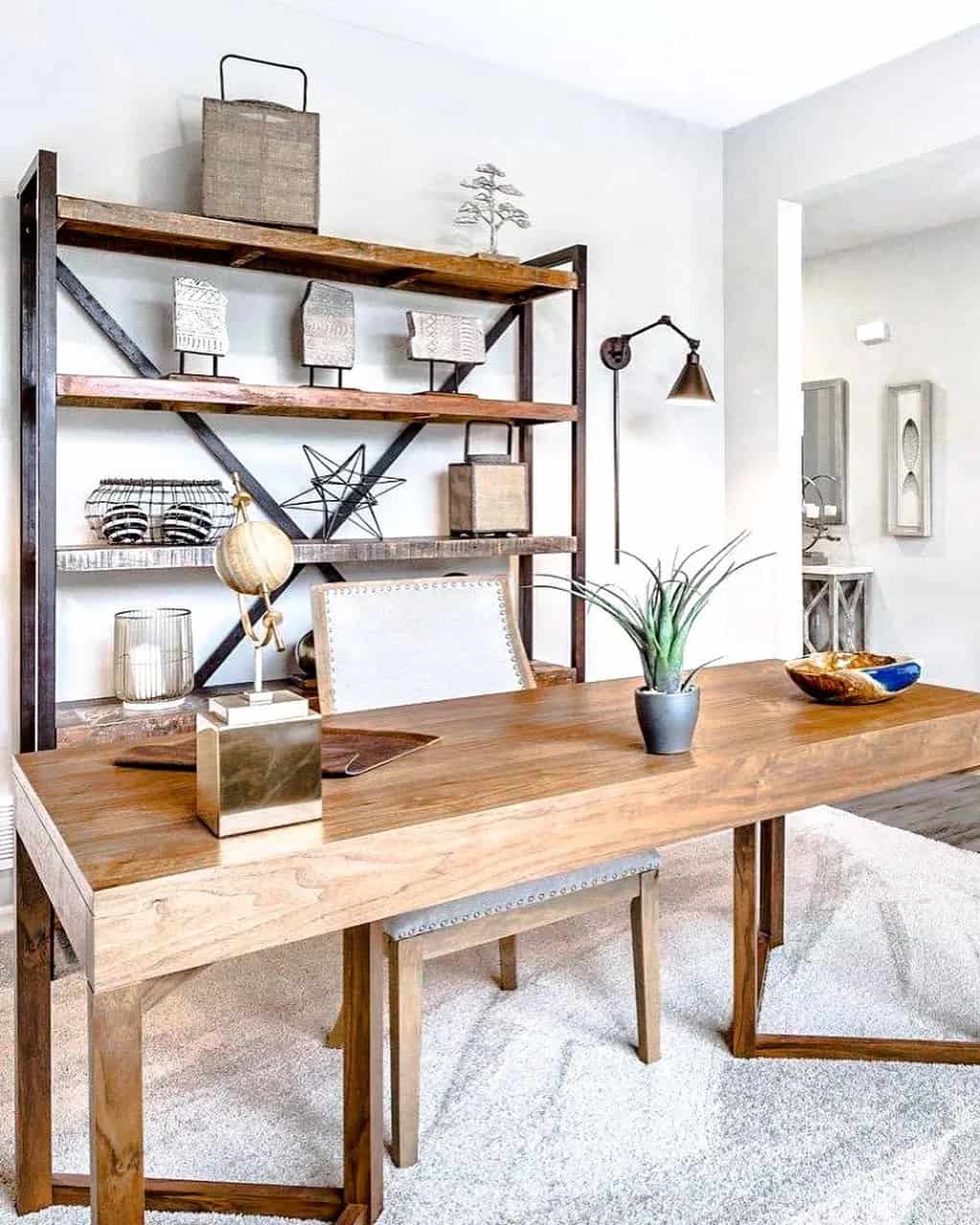
Credit: www.extraspace.com
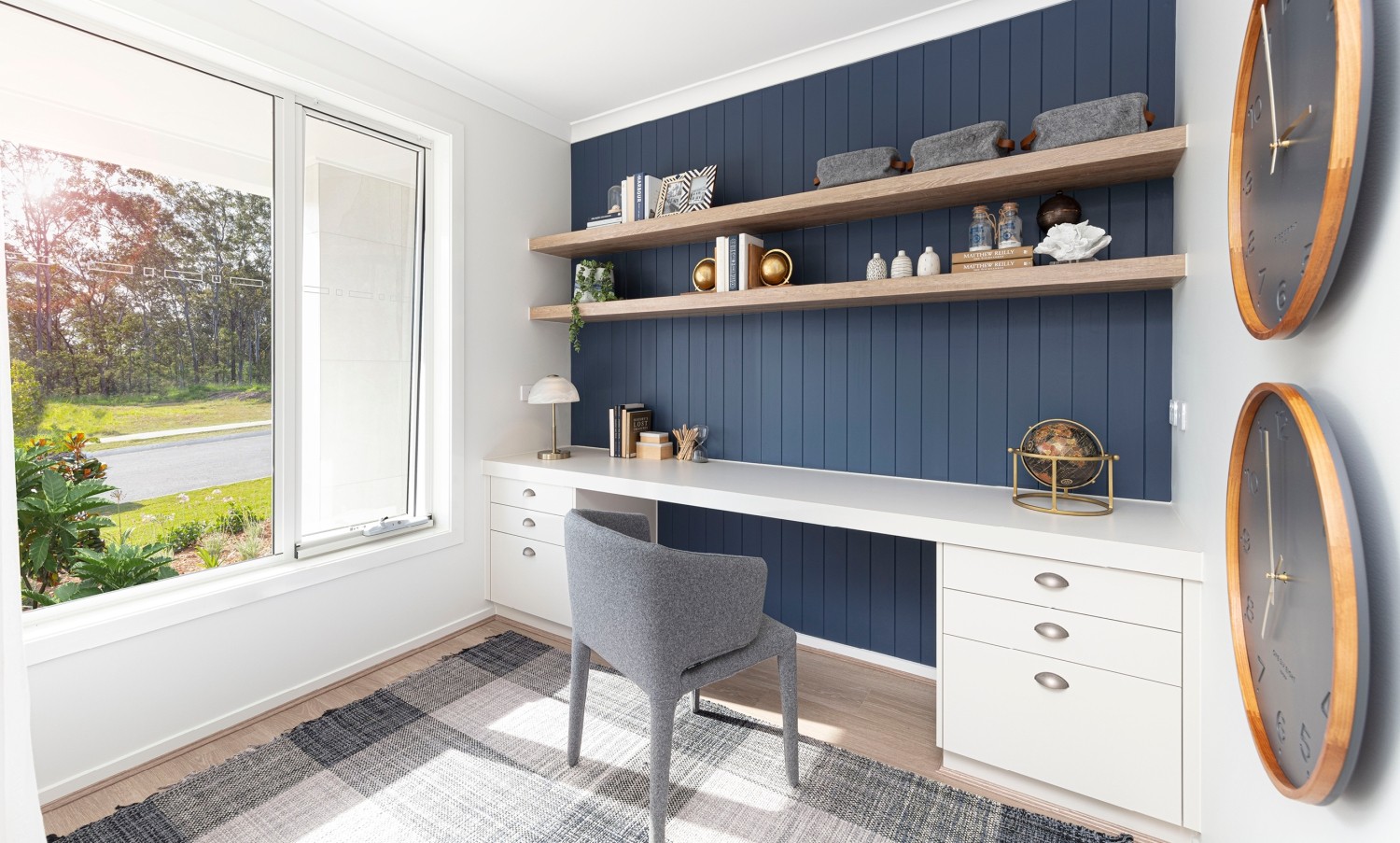
Credit: www.brightonhomes.net.au
Frequently Asked Questions
What Are The Best Office Design Ideas For Home?
The best home office designs maximize space, enhance comfort, and boost productivity. Use ergonomic furniture, natural lighting, and organized storage. Personalize with plants and inspiring decor to create a motivating workspace.
How Can I Make My Home Office More Productive?
To improve productivity, keep your workspace clutter-free and well-lit. Use ergonomic chairs and desks for comfort. Add plants and calming colors to reduce stress. Set clear boundaries between work and personal time.
What Furniture Is Essential For A Home Office?
Essential furniture includes a comfortable ergonomic chair, a spacious desk, and proper lighting. Add shelves or filing cabinets for organization. Choose pieces that fit your space and support healthy posture.
How Do I Optimize Small Home Office Spaces?
Use vertical storage and multi-functional furniture to save space. Keep the area tidy and bright. Choose light colors and mirrors to create an illusion of space. Prioritize essentials to avoid clutter.
Conclusion
Creating a comfortable home office boosts focus and work quality. Simple design choices make a big difference. Use natural light and keep your space tidy. Add personal touches to feel relaxed and motivated. Choose furniture that fits your needs and room size.
Small changes can create a big impact. Your home office should help you work better every day. Keep it simple, bright, and organized for success.
